BBC Considers TV Licence Fee Reduction to Encourage More Household Payments
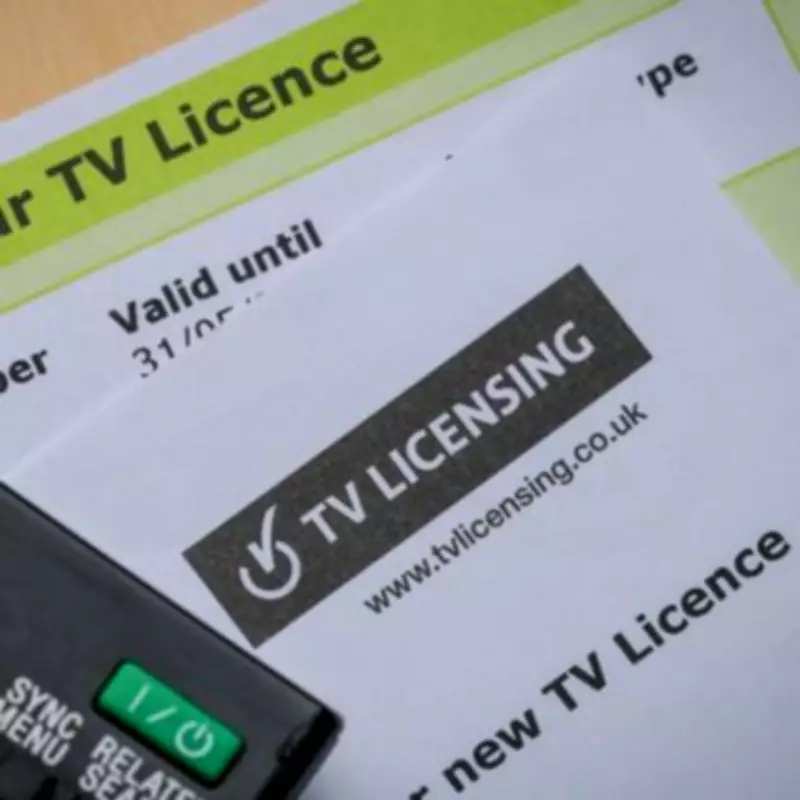
The BBC is exploring a potential cut to the TV licence fee, currently set at £180, as a measure to incentivise more UK households to pay the annual charge. This move comes in response to declining payment rates, with only 80% of households now contributing, despite 94% of adults using BBC services weekly.
Fee Increase and Government Consultation
The Labour Party government has announced that the TV licence fee will rise by £5.50 to £180 starting 1 April, in line with inflation adjustments agreed upon in 2022. This fee funds BBC programming and services, with annual increases scheduled until 2027.
In a recent consultation with the new Labour government, the BBC highlighted the significant gap between service usage and fee payments. The broadcaster emphasised that reducing the licence fee is a viable option to explore, aiming to make it more appealing and increase compliance among viewers.
Proposed Changes and Independence Concerns
To support this initiative, the BBC has suggested opening its iPlayer and BBC Sounds platforms to advertising-funded content from other broadcasters like ITV and Channel Four. This strategy is intended to generate additional revenue while protecting British-produced content.
The BBC has also raised concerns about maintaining its independence, stating to the government that "perceptions matter as much as reality" when it comes to editorial and operational autonomy. A BBC source noted, "This charter must find ways to reassert the BBC's independence, so it can continue to be a trusted, unifying force."
Modernisation and Audience Involvement
As part of its forward-looking approach, the BBC aims to modernise its operations and involve the audience more deeply in decision-making processes. This includes potential changes to the government's role in appointing board members, while ensuring the BBC retains control over appointing key positions like the director general.
The government has acknowledged these proposals, emphasising the need to balance independence with accountability. This development marks a critical juncture for the BBC as it seeks to adapt to changing viewer habits and financial pressures in the broadcasting landscape.