Birmingham Bin Strike Financial Impact Revealed as Dispute Continues
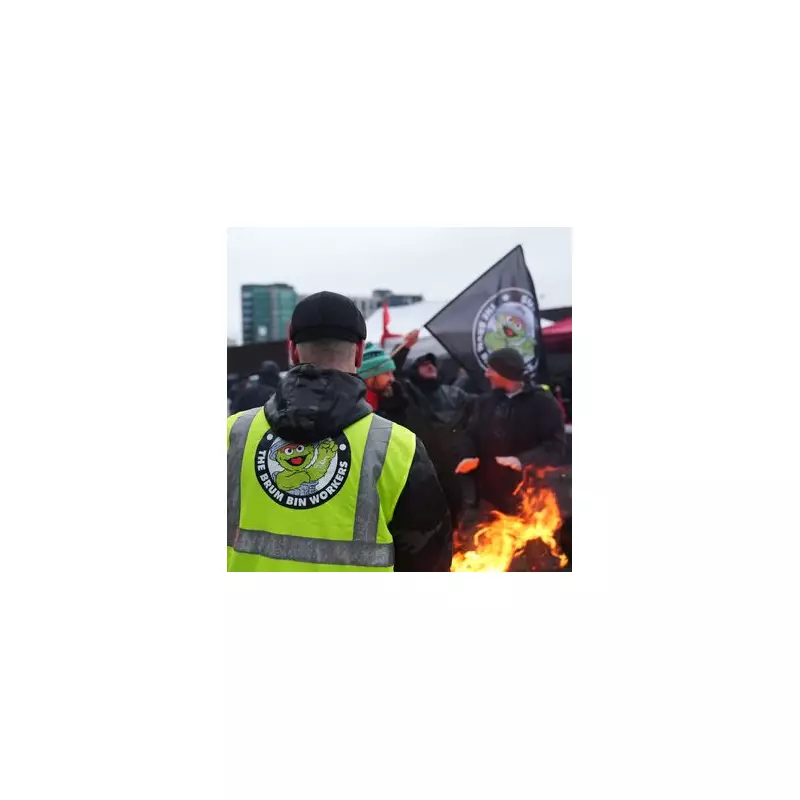
Tensions remain high between Birmingham City Council and Unite the union as the full financial impact of the ongoing bins strike has been detailed in an official report. The industrial action, which began following the removal of the Waste Recycling and Collection Officer role, shows no sign of resolution with both parties entrenched in their positions.
Mounting Costs and Financial Pressure
A recent financial report prepared by the council's director of finance Carol Culley has projected that the direct costs of the strike could reach £14.6 million if the action continues until the end of March. These substantial expenses include street cleansing operations, security measures, and additional support required to manage accumulating waste across the city.
The council, which declared itself effectively bankrupt in September 2023, plans to cover these costs through a combination of reserves and corporate underspends. However, the financial impact extends beyond these direct expenses, creating additional budgetary pressures.
Additional Financial Consequences
The strike has triggered several secondary financial effects that compound the council's difficulties:
- Lost income from suspended garden waste collections estimated at £4.4 million
- Further income losses of £4.2 million from bulky waste, commercial waste, and reduced paper income
- A £10.2 million delay in transforming street scene services
The report acknowledges that the industrial action has significantly impacted the council's ability to implement crucial savings through waste service transformation. This essential project, which includes moving to fortnightly general waste collections and introducing weekly food waste collections alongside a second recycling bin for paper and cardboard, has been pushed back but is now scheduled for implementation this summer regardless of the strike's status.
Union Demands and Council Response
Unite has maintained its position that a fair settlement for bin workers would cost substantially less than the current strike expenses. The union's general secretary Sharon Graham stated: "While council officials have been repeatedly refusing to engage in negotiations with Unite, the council has squandered millions of council taxpayers' cash. Costs are mounting every day."
Graham emphasised that the strikes would continue until workers received a fair deal, claiming that a previously discussed settlement figure failed to gain approval from government-appointed commissioners overseeing the council's financial recovery.
Council cabinet member for environment Majid Mahmood countered these claims, describing Unite's demands as "unjustifiable" and stating that the union had rejected what the council considered fair and reasonable offers. Mahmood maintained that the lump sums referenced by Unite had never been formally offered and did not represent good value for Birmingham's citizens.
Ongoing Negotiation Efforts
Despite the apparent deadlock, both parties indicate some willingness to continue discussions. Mahmood confirmed that the council has invited Unite on multiple occasions to present proposals to end the strike, with assurances that any constructive suggestions would receive careful consideration.
The cabinet member expressed regret for the inconvenience caused to residents and appreciation for their patience, while reiterating the council's commitment to protecting public funds and delivering the waste services Birmingham residents expect.
With the transformation programme scheduled for summer implementation and financial pressures mounting on both sides, the resolution of this protracted dispute remains uncertain as costs continue to accumulate.