The latter half of 2025 proved to be a period of intense political strife, community division, and high-profile controversies for Birmingham. As the city looks ahead to a 2026 dominated by a critical local election and an ongoing industrial dispute, we revisit the major stories that captured attention from July to December.
Industrial Unrest and Political Upheaval
The long-running bin strike remained a defining crisis. In July, Unite's General Secretary Sharon Graham revealed that refuse workers had allegedly been offered £10,000 each in 'compensation' to end their industrial action, a deal she claimed was thwarted by government-appointed commissioners overseeing the council. The strike's fallout intensified internal Labour Party conflicts, leading to a dramatic cull of veteran councillors from the candidate list for the 2026 elections.
Accusations of nepotism swirled, with Erdington MP Paulette Hamilton among those facing claims of unfairly influencing selections to benefit relatives and allies. This turmoil fuelled the rise of alternative political movements. MP Ayoub Khan helped launch the left-wing Your Party with Jeremy Corbyn, while pro-Palestine independents rallied around figures like Akhmed Yakoob and Shakeel Afsar. Simultaneously, Reform UK announced plans to contest all 101 council seats in Birmingham, signalling a fierce electoral battle ahead.
Community Tensions and Public Safety Scandals
Beyond the council chamber, community tensions became visibly entrenched during the summer. A spontaneous movement saw hundreds of St George's and Union flags erected on lampposts across south Birmingham, a phenomenon that rapidly spread nationally. While organisers insisted it was patriotism, the displays were closely linked to anti-migrant protests and created an impression of exclusion, leading to confrontations and a council initiative to covertly remove them.
August brought a shocking child protection scandal to light, with an investigation forcing the closure of five privately-run children's homes in the West Midlands after reports of youngsters going missing and suffering harm. September continued the theme of systemic failures, with a whistleblower exposing fresh delays in the council's disastrous Oracle IT system, whose cost had already ballooned from £20 million to over £200 million.
Road safety also became a pressing campaign issue following several fatal collisions. This led to calls for lifetime driving bans for those who kill or seriously injure, underscored by the heartbreaking story of a Birmingham mother who witnessed her four-year-old child being struck and killed near their Highgate home.
Controversial Decisions and a City Landmark
October and November were marked by high-profile controversies. A decision by a council safety group and West Midlands Police to ban fans of Maccabi Tel Aviv from a Europa League match at Aston Villa's Villa Park sparked allegations of antisemitism and demands for resignations. Meanwhile, the council's ranks thinned further as four Labour councillors quit, and another was deselected after attending the wedding of his fugitive brother.
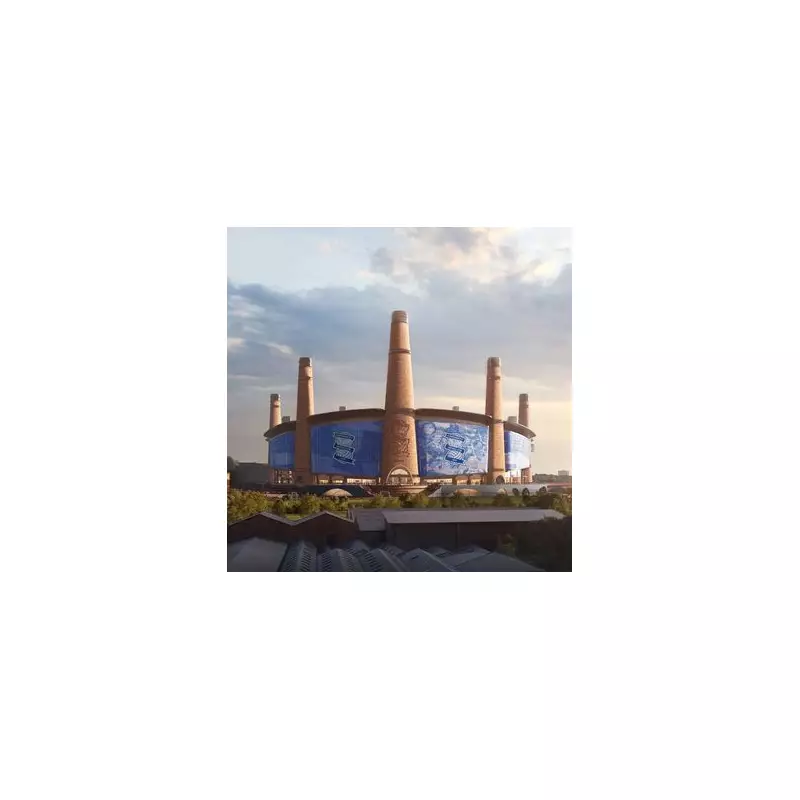
Amid the strife, November offered a vision for the future: the unveiling of the bold new stadium design for Birmingham City FC in east Birmingham. Proposed by owners Knighthead, the iconic structure promised to be a game-changer for the area's regeneration, even as it divided aesthetic opinion.
The year ended with the council finally settling its colossal equal pay liability, though a key union activist did not live to see the resolution. As 2026 began, the authority pressed ahead with plans to move to fortnightly bin collections in June, with or without striking workers, setting the stage for another year where Birmingham's disputes, chimneys, and flags will continue to grab headlines.