For many in Birmingham, 2025 was a year where the impact of political decisions became starkly visible on their streets and in their wallets. From mountains of uncollected rubbish to deep cuts in public services, the city grappled with the consequences of financial crisis and political disputes. Here is a month-by-month rundown of the defining stories from January to June.
January: A Year Begins with Tragedy and Scandal
The new year opened with profound sorrow as schoolboy Leo Ross was fatally stabbed while walking home from school in Hall Green. His death occurred even as local MPs pleaded in Parliament for more resources to tackle knife crime, underscoring Birmingham's grim status as a national hotspot for such violence.
Meanwhile, the full scale of the Perry Barr Village scandal came to light. Built as an athletes' village for the 2022 Commonwealth Games, the site never housed a single athlete. A BirminghamLive investigation revealed the project resulted in a £300 million loss for the council, with private firms profiting. Local taxpayers will be covering the cost, estimated at £8 million annually, for the next four decades.
Controversial lawyer Akhmed Yakoob announced plans to lead a slate of pro-community candidates in the 2026 council elections. In a separate case, a teacher received substantial compensation after being targeted by a social media pile-on linked to Yakoob.
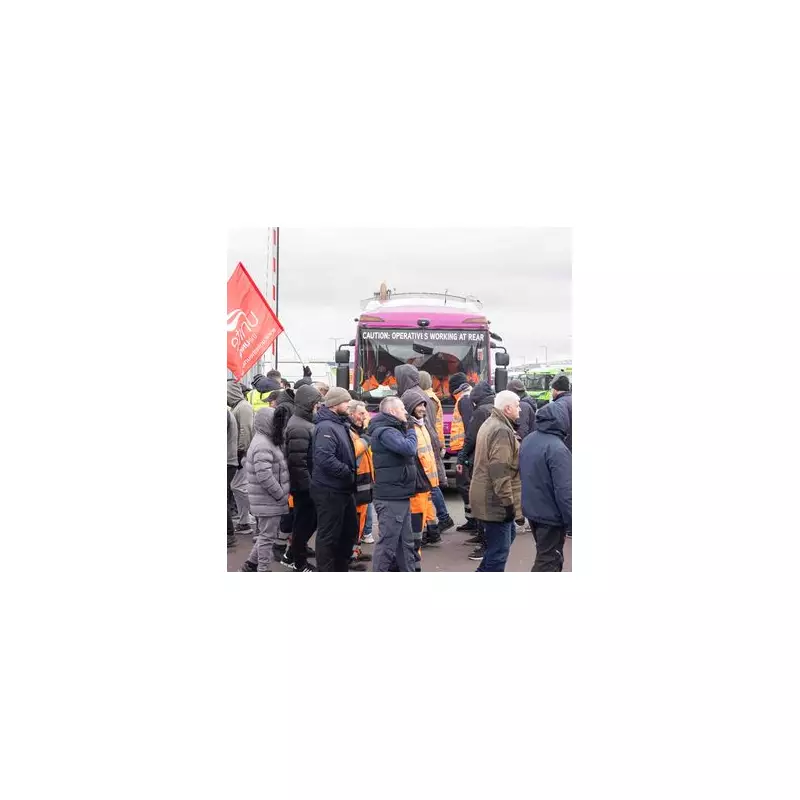
In industrial news, the Unite union announced strike action by bin workers over proposed job cuts, beginning with sporadic days of action.
February to March: Bankruptcy Fallout and Strike Escalation
Birmingham City Council, which declared effective bankruptcy in 2023, began the year with gaping budget holes. Damaging cuts were forced through, affecting libraries, youth services, day centres, and hundreds of council jobs. Residents were also hit with a 7.5% council tax increase, the second major hike in two years.
The council's contentious budget was passed in early March amid heated debate. Labour councillor Sam Forsyth refused to support it and quit the party, joining fellow rebel Martin Brookes as an independent.
Concurrently, the bin dispute intensified into a full-blown strike. Council attempts to use agency staff were largely thwarted by picketing workers 'slow-walking' in front of refuse trucks, bringing collections to a near-standstill.
Further revelations emerged about the council's financial mismanagement, particularly a failed £100 million IT project, known as Oracle. Reports indicated warnings from staff were ignored, with whistleblowers eventually having to intervene.
April to June: Crisis, Comeuppance, and Campaigns
By April, thousands of tonnes of rubbish piled up on Birmingham's streets, leading to a 'major incident' being declared. This allowed the council to seek police support and later a court injunction to break the strike deadlock.
In other accountability news, former Lord Mayor Mohammed Afzal was stripped of his honorary titles after being found to have distributed gifts to voters and then lying about it.
Investigations exposed how Birmingham has become a dumping ground for homeless people via the exempt supported accommodation sector, with around 30,000 placed in the city. The system was shown to be exploited by investors seeking high returns from public funds.
The government-appointed commissioners overseeing the council were revealed to be costing taxpayers over £1 million a year. Meanwhile, the council's equal pay liability was set to exceed £250 million for around 6,000 claimants.
May brought some positive developments, including government-backed plans for a tram line to the £2.2 billion East Birmingham Sports Quarter. Selly Oak MP Al Carns also set a record by racing up and down Everest within a week.
However, political tensions persisted. The right-wing group Britain First staged a controversial protest outside the Council House. Internally, the Labour group faced defections and criticism, notably over the attendance of councillor Jack Deakin, who finally quit in November.
In June, a film highlighting road deaths inspired a BirminghamLive campaign for lifetime driving bans for those who kill or maim through bad driving. The month also saw a Birmingham doctor share harrowing testimony from Gaza, and the conclusion of a saga involving Wolverhampton councillor Greg Brackenridge, who admitted exaggerating his military record.
The first half of 2025 proved that politics, from the council chamber to the picket line, directly shaped the daily realities of life in Britain's second city.