Government Announces Plans to Lower Voting Age to 16 in National Elections
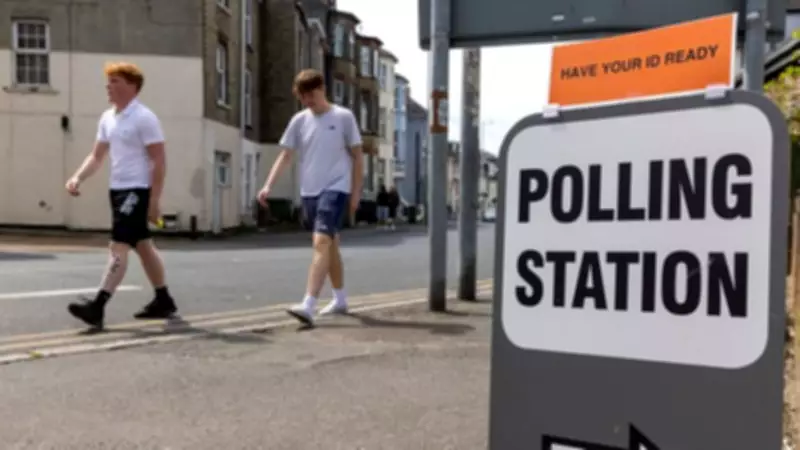
The Government has unveiled proposals to lower the voting age to 16 for national elections, arguing that young people deserve a say as they are the 'future of the country'. Under the new plans, 16 and 17-year-olds will be able to vote in national elections for the first time, though they will not be permitted to stand as candidates.
Consistency Across the UK
Housing, Communities and Local Government Secretary Steve Reed defended the move, stating that the Bill will create consistency across the United Kingdom. "The reason the Bill extends the vote to younger people aged 16 and 17 is simple - young people are our nation's future," he said. "This change will bring consistency to the voting age for all statutory elections across the United Kingdom."
He added that the reforms would modernise the electoral system, tackle foreign interference, and make politics more accessible. "Britain will always be a democracy because the people of this country will never have it any other way. This is a Representation of the People Bill inspired by tradition and legislating for the future."
Young people in Scotland and Wales have already had the right to vote in devolved elections, with 16-year-olds participating in Scotland's 2014 independence referendum.
Opposition Voices Concern
The Conservative Party has tabled an amendment to block the Bill, arguing that lowering the voting age conflicts with other age-of-majority rules and could risk fraud through automatic voter registration. Shadow Housing, Communities and Local Government Secretary Sir James Cleverly criticised the Bill for being rushed and inconsistent, saying it 'falls woefully short' and risks weakening the integrity of the electoral register.
He questioned whether 16 and 17-year-olds should be considered children if they are granted the right to vote. Tory MP Gregory Stafford also challenged the Government on why teenagers could vote but not stand for election. Mr Reed responded that young people in this age group already serve in the armed forces, so they deserve the vote.
Other Measures in the Bill
The Representation of the People Bill also introduces automatic voter registration, tighter restrictions on foreign donations, and measures to protect candidates and election staff from intimidation. It would remove the Government's ability to issue strategy and policy statements to the Electoral Commission.
The Bill includes new rules on political donations, with particular attention to cryptocurrency and donations from companies operating outside the UK. Sir Philip Rycroft has been tasked with reviewing these concerns.
Democratic Unionist MP Jim Shannon raised concerns that restrictions on cross-border donations could disadvantage Northern Irish parties operating across the Irish border. Mr Reed confirmed that existing rules covering Northern Ireland would remain in place.
Calls for Further Reform
Liberal Democrat spokesperson Lisa Smart welcomed the Bill but said it does not go far enough to modernise democracy, calling for 'root and branch' reforms to improve accountability and stamp out corruption. Labour MPs also called for additional changes, including compulsory voting and a move toward proportional representation, with Valerie Vaz and Cat Smith pressing the Government on further electoral reforms.
The debate over the Representation of the People Bill is expected to continue over the coming weeks as Parliament examines the implications of lowering the voting age and modernising UK electoral law.