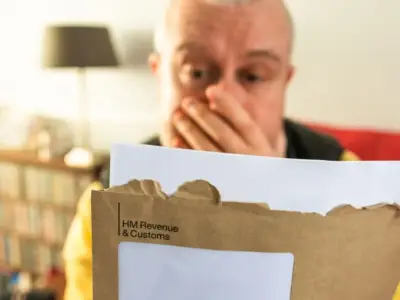
Households across the United Kingdom who enjoy streaming content on platforms such as Netflix have been issued a stark warning by TV Licensing, highlighting that certain viewing habits could lead to prosecution and a substantial fine of up to £1,000. This alert underscores the legal requirements surrounding television consumption in the digital age, where the lines between live and on-demand content can sometimes blur for viewers.
Understanding the TV Licence Coverage
A valid TV Licence is a mandatory requirement for watching or recording live television broadcasts on any device, whether through traditional TV channels, pay-TV services, or streaming applications. It also grants access to all content available on BBC iPlayer, regardless of whether it is live or on-demand. This comprehensive coverage ensures that licence holders can legally enjoy a wide array of programming, from sports events to news updates, across smartphones, tablets, laptops, and other portable devices.
When a Licence is Required for Streaming Services
TV Licensing has clarified that a licence is necessary if you are streaming television programmes live as they are being broadcast. This applies to numerous popular streaming platforms, including but not limited to YouTube, Netflix, Amazon Prime Video, Now, Sky Go, BBC iPlayer, and ITVX. Examples of live content that necessitate a licence encompass Champions League football matches on Amazon Prime Video, WWE or NFL events streamed live on Netflix, real-time news or sports channels on YouTube, and special broadcasts like Christmas programmes on BBC iPlayer.
Key points to remember:
- You must have a TV Licence to watch any live TV, irrespective of the service or device used.
- The licence also covers all on-demand programmes exclusively on BBC iPlayer.
- It does not apply to on-demand content on other platforms such as Netflix, ITVX, or YouTube, unless that content is being streamed live.
Potential Penalties for Non-Compliance
Failure to adhere to these regulations can result in serious consequences. TV Licensing has emphasised that individuals found watching, recording, or downloading programmes without a valid licence may face prosecution. The maximum penalty includes a fine of £1,000, in addition to any legal costs or compensation that may be ordered by the court. This serves as a critical reminder for viewers to ensure their licensing status is up to date to avoid financial and legal repercussions.
Subscription Services and Licensing Requirements
Subscription-based television services, such as Netflix, Amazon Prime Video, Now, Disney Plus, and Sky Go, are typically paid for on a monthly basis via cable, satellite, or internet connections. It is important to note that a TV Licence is required if you watch live television through these subscription channels. However, if your viewing is limited solely to on-demand programmes—excluding those on BBC iPlayer—on these paid services, then a TV Licence is not necessary. This distinction helps clarify the legal obligations for consumers navigating the evolving landscape of digital entertainment.
In summary, as streaming becomes increasingly integral to modern television consumption, UK households must remain vigilant about licensing rules to enjoy their favourite content legally and avoid substantial fines.