Prime Minister Keir Starmer Addresses Economic Concerns Amid Middle East Conflict
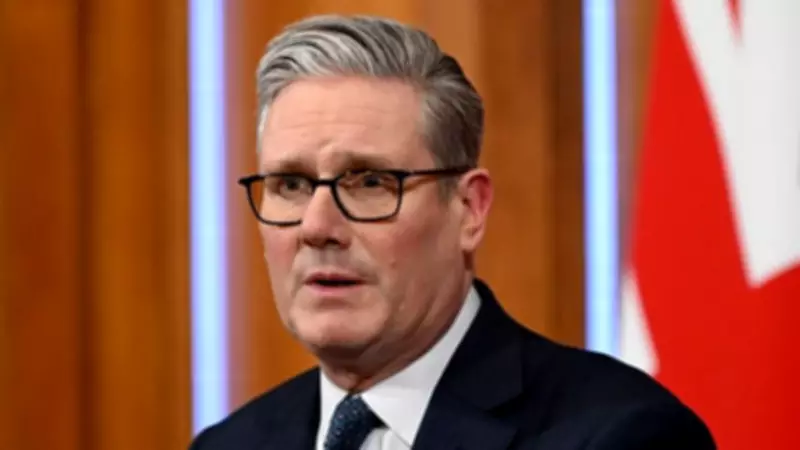
Sir Keir Starmer has acknowledged growing fears about the economic impact of the escalating conflict in the Middle East, as oil prices surge and financial markets react to the ongoing crisis. The Prime Minister is expected to promise action to protect households from the financial fallout of the war, which erupted following a US-Israeli assault on Iran and retaliatory strikes across the region.
Focus on Cost of Living and Household Priorities
Ahead of a visit to a community centre in London on Monday, March 9, Sir Keir emphasized that the rising cost of living remains his top priority. He stated, "People are also rightly worrying what this means for life at home - their bills, their jobs, their communities. I want to address those concerns head-on. I will always be guided by what is best for the British public. And no matter the headwinds, supporting working people and their families with the cost of living is always top of my mind."
Market Turmoil and Global Energy Price Surge
Oil prices have surged above $100 a barrel for the first time since 2022 as the conflict intensifies. Financial markets have also been significantly impacted, with London's FTSE 100 falling nearly 2% soon after opening amid concerns about a potential supply crunch. Despite this market turmoil, US President Donald Trump sought to downplay the economic impact, asserting that prices would eventually fall. He insisted the cost was a necessary consequence of military action, stating prices would 'drop rapidly when the destruction of the Iran nuclear threat is over' and were a 'very small price to pay'.
Political Shifts and International Response
The political situation in Iran has shifted dramatically since the conflict began. After the country's supreme leader was killed in an Israeli strike at the start of the war, his son Mojtaba Khamenei was named as successor on Sunday, March 8. Internationally, finance ministers from the G7 group of leading democracies, including UK Chancellor Rachel Reeves, are expected to meet virtually on Monday, March 9, to discuss the situation. Reports suggest they could consider a joint release of petroleum reserves coordinated by the International Energy Agency to ease pressure on global energy markets.
Impact on UK Households and Economic Policies
For UK households, the immediate impact of rising global energy prices may be softened by the energy price cap, which limits how much suppliers can charge customers. However, higher oil prices are expected to push up costs at petrol stations, while the risk of rising inflation could influence interest rate decisions. Economists now believe the Bank of England is less likely to cut interest rates this month, after earlier expectations that borrowing costs might fall.
Government Support and Evacuation Efforts
As the conflict continues, Sir Keir highlighted that the Government is focused on supporting British citizens in the region. He explained, "Staff are on the ground to support those in need, government-provided flights are helping people get home and our tireless armed forces are flying across the region to defend our allies and our interests." He added that many people in Britain are 'worried sick' about friends and family caught up in the crisis.
The Prime Minister spoke with President Trump over the weekend about military cooperation in the region, a conversation that appeared to signal improved relations after the US president criticised the UK for not joining the initial wave of military action against Iran. Mr Trump has repeatedly attacked Sir Keir's decision not to authorise the first strikes, suggesting Britain's support had come too late. The Prime Minister later allowed the US to carry out what were described as 'defensive' operations against Iranian missile sites from UK bases, and American bombers have since begun flying missions from RAF Fairford.
Evacuation efforts for British nationals are ongoing. A third Government-chartered flight from Muscat, Oman, was scheduled to depart shortly before 7pm UK time on Sunday, March 8, with plans for a commercial charter flight from Dubai later this week. More than 32,000 British nationals have left the region since March 1, including those departing from Gulf states as well as Israel and Lebanon.