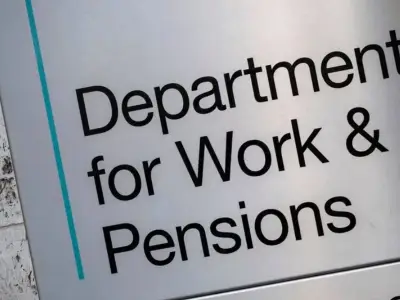
Sir Keir Starmer has been presented with a "stark choice" that could see Department for Work and Pensions (DWP) benefits significantly reduced, as the Labour government grapples with the competing priorities of national defence and the spiralling welfare bill.
The Defence Dilemma and Welfare Bill Pressure
Prime Minister Starmer is confronting a difficult decision between ensuring Britain is "war ready" and implementing cuts to the growing welfare expenditure. This situation arises amid a substantial £28 billion shortfall that has created intense pressure on government spending.
Military Readiness at Risk Without Welfare Reform
A defence source has issued a stark warning that Britain cannot achieve proper military preparedness unless the welfare bill is brought under control. The source emphasised the severity of the situation, stating: "There is nothing left to trim, so the only way the MoD can save £28 billion is by making completely mad kinds of cuts."
The potential scale of these defence cuts could include drastic measures such as axing the Royal Marines, cancelling the GCAP fighter programme, or accepting that Britain no longer maintains an expeditionary army. Such moves would represent reneging on commitments to provide NATO with a strategic reserve corps.
Political Reactions and Criticism
Shadow Defence Secretary James Cartlidge, representing the Conservative Party, has accused the Prime Minister of showing spinelessness on welfare reform, claiming this approach "endangers Britain's finances and national security."
Reform UK Deputy Leader Richard Tice has echoed this sentiment, arguing: "Rather than lavishing billions on benefits, the government should be handing that money to the military."
Government Challenges and Public Expectations
An unnamed minister speaking to the Times highlighted the political difficulties surrounding welfare reform, noting: "Clearly any welfare reform is going to be very difficult with the back benches, and the closer you get to a general election, the less you want to do the difficult stuff."
The minister added: "We've got to remember that largely the public wants to see welfare reform, and we do need to show delivery on that. This is not showing that reform is a priority."
Another government source expressed concern about the political messaging, telling the Times: "The message it sends is a bit silly politically. The King's Speech is not totally prescriptive, but it makes it seem like we are making no plans to change anything for a year."
Government Response and Future Plans
A Government spokesman addressed the situation, stating: "Final decisions on the contents of the King's Speech have not been made. We're already fixing the broken welfare system we inherited so we get Britain working."
The spokesman continued: "We have commissioned Alan Milburn to look at how we can tackle the number of young people out of work and will set out further legislative plans in due course."
This developing situation places Sir Keir Starmer's government at a critical juncture, balancing national security requirements against social welfare commitments during a period of significant financial constraint.