The Department for Work and Pensions has provided a crucial update regarding potential compensation for women affected by State Pension age changes, confirming that a final decision will be announced before the beginning of March.
Parliamentary Questioning Reveals Timeline
During a recent Commons session, Liberal Democrat MP Lee Dillon pressed Pensions Minister Torsten Bell about whether the DWP had assessed the merits of compensating 1950s-born women impacted by what has been described as maladministration surrounding State Pension age communications.
Mr Bell, who represents Swansea, responded by stating: "As the Secretary of State set out on 11 November 2025, we are re-taking the decision made in December 2024 as it relates to the communications on State Pension age. We will update the House on the decision as soon as a conclusion is reached."
Clear Deadline Established
The Minister provided specific clarity on timing, explaining: "We have committed in public to doing so within three months of the decision in December, which means a decision will be reported to the House before the beginning of March." This establishes March 1st as the definitive deadline for the government's announcement.
Mr Bell acknowledged the significant public interest in this matter, noting: "Such is the strength of feeling in my constituency that I am regularly contacted about this issue."
Scope of the Compensation Decision
The Pensions Minister emphasised the specific parameters of the pending decision, stating: "I gently say that we need to be clear about what is at stake here: this decision relates narrowly to the question of the communication of the State Pension age changes."
He further clarified that the Parliamentary and Health Service Ombudsman's investigation focused specifically on communication failures rather than the underlying policy changes to State Pension age.
Broader Context of Pension Age Changes
Mr Bell placed the current situation within a wider historical context, pointing out: "For many women, including many of my constituents, the issue they are actually most focused on is the increase, and the acceleration in the increase, in the State Pension age that was put in place by the coalition Government, which not a single Lib Dem MP voted against back in 2011."
The Minister highlighted what he described as inadequate notice periods for some women affected by the changes, stating: "We should not have seen an acceleration of the State Pension age where some women were only given five years' notice, but that was put in place by the coalition Government."
Ombudsman's Recommendations
The compensation decision follows recommendations from the Parliamentary and Health Service Ombudsman, which has suggested payouts of approximately £2,950 for affected women. These recommendations stem from findings of maladministration in how changes to women's State Pension age were communicated.
The Labour government continues to debate the appropriate response to these recommendations, balancing the Ombudsman's findings with broader fiscal considerations and policy priorities.
Government's Commitment to Learning from Past Mistakes
Concluding his remarks, Mr Bell affirmed the government's determination to handle pension communications more effectively in future, stating: "We will not be making those mistakes." This commitment suggests a broader intention to improve transparency and fairness in pension policy implementation.
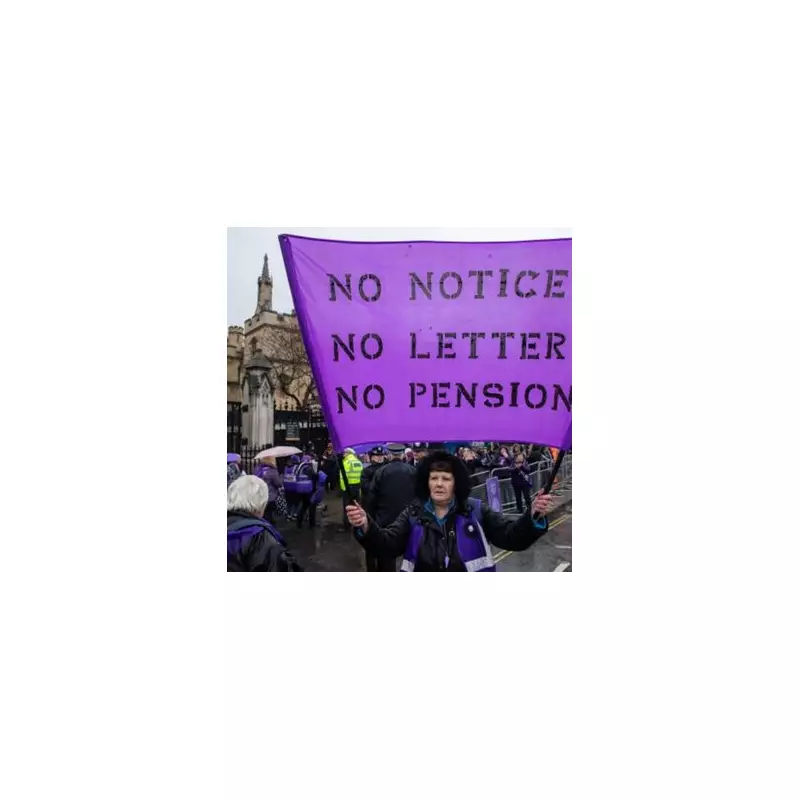
The announcement timeline provides clarity for the thousands of women who have been campaigning for compensation through the Women Against State Pension Inequality movement, offering a definitive date by which they can expect a government decision on this long-running issue.