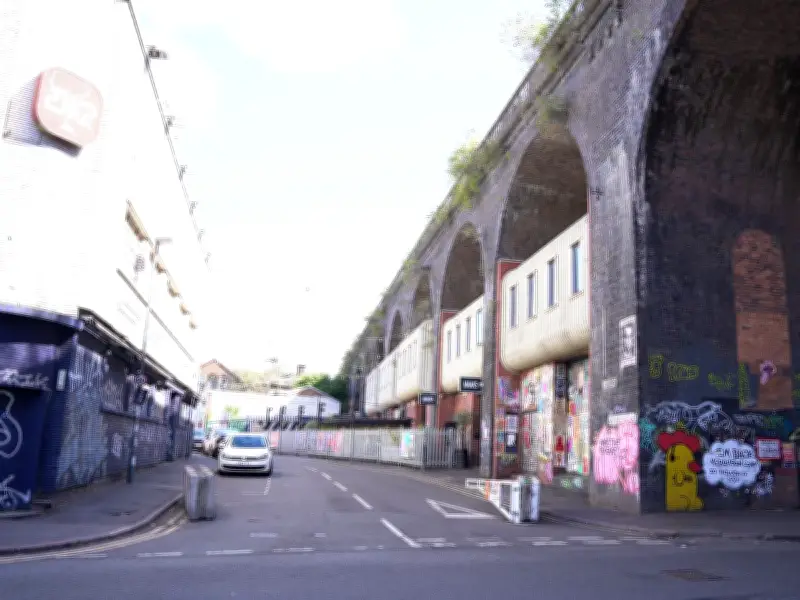
The creative neighbourhood of Digbeth, often touted as one of the world's coolest neighbourhoods, is an open-air art gallery where creatives make magic in old industrial buildings and graffiti writers turn tired exteriors into colourful attractions. By day, quirky shops trade in unusual treasures, from crystals and antiques to vintage clothing and paintings. By night, old warehouses fill with revellers, and a mix of locals and visitors drink, dance, and party, walking down streets festooned with twinkling lights to venues for social gaming, films, and fun.
These businesses have weathered repeated storms, from Covid lockdowns to West Midlands Metro construction, road layout changes, and the hardships of hospitality. But now a fresh worry has arrived to unsettle Digbeth anew. While the Midlands Rail Hub programme promises easier access in and out of Birmingham via train, it will bring more construction work to Digbeth, which businesses fear they will not survive.
What Will Change in Digbeth?
Early proposals from the Midlands Rail Hub Alliance outline plans to enhance the rail network from Birmingham Moor Street station to Bordesley. The plan is to enable more trains to run from Moor Street, alleviating pressure on New Street and making rail travel in and out of town quicker and easier. To achieve this, construction will include adding two new sections of railway track (known as 'chords') to link the Camp Hill line, and widening the large arches of the Bordesley Viaduct.
The old brickwork viaduct, built in the mid-1800s, is a 2,900ft long, 70ft high construction with 60 main arches, each around 37ft wide. Today, most Brummies know these arches as the backdrop to favourite venues like The Night Owl, the Warehouse, and Mama Roux. It's these businesses that are worried about what the changes will mean.
Why Are Businesses Worried?
Campaigns are underway in Digbeth to encourage support for local businesses as they navigate uncertainty. The plans are not yet firmed up and could change, with no plans set in stone for years. A public consultation, lasting eight weeks, ends on Friday, August 28, giving businesses and local people the chance to feed back on the plans and share their concerns and ideas.
Venues Speak Out
Live music venue The Night Owl said it was 'immensely shocked and stressed' by the proposals, writing: "This expansion will be detrimental to the Digbeth we all know and love. Based on the current plans, many independent businesses will be forced to close." They added: "It is currently uncertain what the fate of The Night Owl would be if these plans went through, whether we would be flattened, used as a construction site or simply unable to open due to the works, but what is certain is that if these plans go ahead, The Night Owl would not survive."
Fellow music venue Mama Roux said it first heard of the proposals online. In a statement, it said: "If these plans go ahead, venues like us (and loads of others) are earmarked for demolition in 2030, alongside the very heart of Digbeth's independent spirit." They highlighted their role in the community: "From the early days of Digbeth dining club to hosting artists like Jorja Smith, Little Simz, Paws, and Overpass, this street has been a launchpad for UK culture. We don't just host nights out; we actively invest directly in local musicians, performers, and grassroots talent every single week. We can't let infrastructure wipe out our culture."
Timeline for Changes
According to the Midlands Rail Hub Alliance, this consultation will be followed by a second next summer. In 2027, refined proposals will be discussed, leading to an application for a Transport and Works Act Order (TWAO) in early 2028. TWAOs are legal orders needed in England and Wales before any work on transport infrastructure, including railways. A public inquiry is expected in late 2028, with the outcome of the TWAO application not expected until summer 2029. If approved, construction will start in 2030, and the new railway is expected to open in the early 2030s.
Passenger Benefits
According to current proposals, the changes will 'significantly increase the number of trains which use Birmingham Moor Street', with two chords connecting the Camp Hill line with the Chiltern main line for the first time. Platform five, currently unused at Moor Street, will be brought back into use. Trains that currently leave from New Street will be moved to Moor Street, reducing congestion and allowing for more local and long-distance services. This would mean three additional trains every hour to towns and cities south-west of Birmingham. Cross City trains will increase from four to six per hour, and there will be four extra trains every hour serving the East Midlands, with one also serving the North East.
Official Statements
Mark Cuzner, Midlands Rail Hub Alliance director, said: "These proposals represent a key element of the wider vision for the Midlands Rail Hub and its transformational potential to enable growth, improved connectivity, and opportunities for millions of people. The consultation we are launching today is an opportunity for the residents, businesses and communities of Birmingham to gain early insights into the proposals, speak to the team who are driving this forward and, most importantly, to provide their views and feedback to shape our detailed plans."
Denise Wetton, Network Rail's Central route director, added: "Midlands Rail Hub is a transformational project which would change the landscape of the railway in Birmingham and provide huge benefits across the city, region, and Britain. Not only will it improve journeys, but it will also connect people with new opportunities, create new jobs and access to careers, and be a catalyst for much-needed house building in the region."
Rail Minister Lord Hendy commented: "The Midlands Rail Hub will be transformational for Birmingham and the wider region - delivering faster, more frequent journeys for millions of passengers. With £123 million of Government investment behind it, this is a project that will create jobs, open up new opportunities, and help deliver the homes and growth across the Midlands. I encourage residents, businesses and communities to get involved and have their say in this consultation."
Other Changes in Digbeth
There is hope for the neighbourhood, with the BBC set to move in next year as neighbours to Peaky Blinders creator Steven Knight's Digbeth LOC Studios. With the West Midlands officially named a regional production hub by the British Film Commission, Digbeth may fulfil its destiny as a little Hollywood in England. Currently, no trams are using the line down to Digbeth while work continues at the HS2 site. It's expected that the first trams will travel to Digbeth in 2028, with an extra 1.7km of twin track transporting passengers from Bull Street to the Deritend terminus, adding four new stops.
But what happens to the little independent venues that have been keeping Digbeth alive through the hard 2020s remains to be determined. The consultation offers a chance for the community to voice their concerns, but for many, the clock is ticking.