The industrial action by refuse collectors in Birmingham has reached a grim one-year anniversary, with the bitter dispute showing no sign of imminent resolution. The strike, which began on 6 January 2025, has now dragged into 2026, leaving residents facing continued disruption to waste and recycling services.
A Year of Turbulence and Piling Rubbish
What started as a dispute over the loss of the Waste Recycling and Collection Officer role has spiralled into twelve months of significant disruption. The period has been marked by mounting piles of uncollected rubbish, repeated protests, and angry confrontations during council meetings. Hopes for a negotiated settlement faded last summer when the Labour-run council declared it had reached the "absolute limit" of what it could offer.
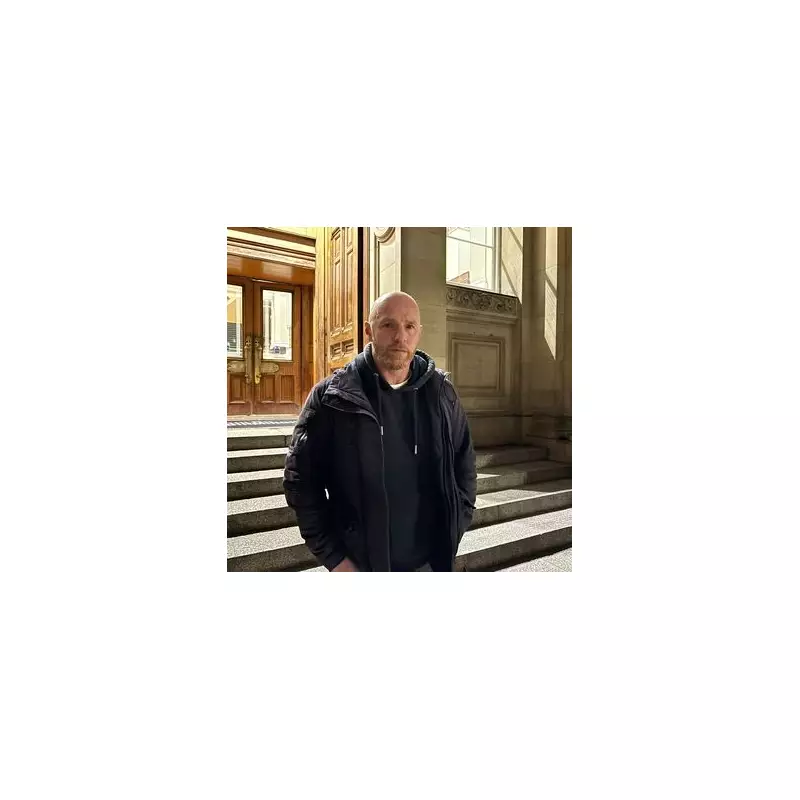
Speaking after a council finance meeting on the strike's anniversary, refuse collector and Unite union member Matthew Reid expressed the workers' determination to continue. "We don't want the streets to be a mess, we don't want the people of Birmingham to suffer," he stated, highlighting the ongoing suspension of recycling, garden waste, and bulky waste collections.
Council and Union at Loggerheads
The core of the stalemate lies in a fundamental clash of positions. The council's leadership, including Managing Director Joanne Roney and Council Leader John Cotton, insists that a "fair and reasonable" offer was made. They argue that conceding to the union's demands would worsen the council's severe equal pay liabilities and threaten its financial viability, a position supported by government-appointed commissioners overseeing the council's finances.
In contrast, Mr Reid and Unite accuse the council of abandoning negotiations. "I'm embarrassed that a Labour council can't negotiate with a trade union," Reid said, addressing Birmingham residents. "Together we've put them through six months of pain, distress, rats and fly-tipping and it's completely unnecessary." He claimed the council's assertion that its "doors remain open" is hollow, as it only invites the union to accept a previously rejected deal.
No Clear Path to Resolution
With both sides entrenched, the industrial action is now set to continue beyond the local elections in May 2026. The council has moved to offer alternative working arrangements to the workforce, with the majority accepting. However, this process has led to three cases of compulsory redundancy.
The government commissioners have described the council's current course as the "only viable option", praising its "commendable fortitude". For the striking workers and many residents, however, the reality remains one of prolonged inconvenience and a city struggling with a basic public service failure that has now entered its second year.