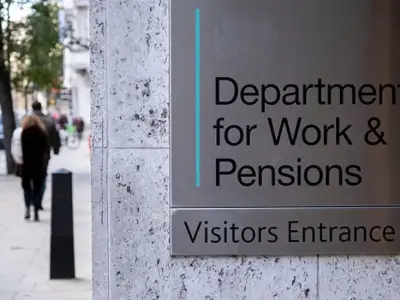
The Department for Work and Pensions (DWP) has confirmed a significant uplift in key benefit payments, set to take effect from April 2026. Millions of claimants across the UK will see their incomes rise following government approval of the inflation-linked hikes.
New Payment Rates Revealed
Letters are now being dispatched to all claimants of Universal Credit, Employment and Support Allowance (ESA), and Carer's Allowance, outlining their updated payment amounts. The increases are tied to the inflation rate, which has been set at 3.8% for the upcoming financial year.
For those on Universal Credit, the rise comprises the standard 3.8% inflation uplift plus an additional 2.3% increase mandated by the Universal Credit Act 2025. This represents a substantial boost for standard allowances.

Carer's Allowance will increase from £83.30 to £86.45 per week. Furthermore, the earnings threshold for eligibility is being raised, allowing carers to earn up to £204 per week (equivalent to 16 hours at the National Living Wage) without losing their entitlement.
ESA claimants will also see higher payments. The support group component rises from £48.50 to £50.35 weekly, while the personal allowance for those over 25 increases from £90.50 to £93.95 per week. Jobseeker's Allowance (JSA) mirrors this, rising to £93.95 weekly.
Major Policy Changes and Protections
April 2026 also marks the end of the controversial two-child limit on Universal Credit and Child Tax Credits. Families will now receive the child element for their third and subsequent children, a change expected to benefit thousands of households.
A significant rebalancing of the health element for those with Limited Capability for Work and Work-Related Activity (LCWRA) takes effect on 6 April 2026. New claimants will receive a lower rate of £217.26 per month. However, the DWP has implemented a protection scheme: anyone already receiving the element before this date will continue at the higher rate, which will itself see a slight increase to £429.80 per month.
The Impact of the Frozen Benefit Cap
While most rates are rising, the Benefit Cap will remain frozen at its current levels. This means the limits stay at £25,323 for families in London and £22,020 for those elsewhere in the UK.
The DWP has warned that as individual benefit amounts increase, more families may find their total household support reaches this ceiling. When this happens, their overall payments will be frozen or reduced to stay within the cap, potentially offsetting some of the gains from the announced rises.
Claimants are advised to watch for their notification letter from the DWP, which will provide their personalised new payment schedule ahead of the April implementation date.