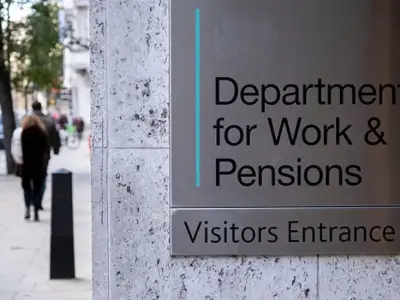
The Department for Work and Pensions (DWP) has been granted sweeping new powers to examine the bank accounts of millions of people claiming state benefits, in a major crackdown on fraud and error.
Which benefits are in the spotlight?
Under new legislation, officials will be able to request data from banks about accounts held by individuals receiving Universal Credit, Employment and Support Allowance (ESA), and Pension Credit. The primary aim is to verify that claimants' financial circumstances match their declared eligibility.
However, security experts suggest this is just the beginning. Collette Smith, chief customer officer at verification firm SmartSearch, indicated the checks could logically be expanded to other benefits where proving identity and entitlement is crucial.

The four benefits most likely to see these checks extended are Child Benefit, Carer's Allowance, Disability Living Allowance (DLA), and Personal Independence Payment (PIP).
"These benefits often rely heavily on supporting evidence, which can be strengthened with secure, real-time digital verification," Ms Smith explained.
Phased rollout and direct recovery powers
The new verification measures are scheduled to commence operation from 2026. The government has stated it will adopt a "test and learn" approach to ensure the powers are used proportionately.
Ms Smith emphasised the importance of a cautious, evidence-based expansion. "Trust is key; extending the powers too quickly without demonstrating that safeguards work could undermine confidence," she remarked.
In a separate but related move, the legislation also grants the DWP fresh authority to seize money directly from bank accounts of individuals who owe the department money and refuse to pay.
Announcing the powers, DWP minister Andrew Western stated: "If those who can afford to refuse to pay back what they owe, we'll take the money straight from their accounts and in some cases we'll take their driving licences too."
The power to suspend a driving licence can be used when a debt to the DWP remains at £1,000 or more after recovery attempts.
Safeguards and the bigger picture
The DWP has outlined certain safeguards for the direct deduction powers. Before taking money, they will notify the individual, giving them a chance to dispute the action. Officials must also obtain at least three months of bank statements to confirm sufficient funds are available. Deductions can then be made as a single lump sum or via regular instalments.
These measures form part of a broader package of enhanced capabilities designed to tackle fraud and incorrect payments within the welfare system. The success of the initial checks on Universal Credit, ESA, and Pension Credit will likely determine the pace and scope of any future expansion to other benefits.
As Ms Smith concluded, "A phased approach, backed by strong evidence and independent oversight, would help ensure citizens feel protected while the government gains the benefit of reduced fraud and error."