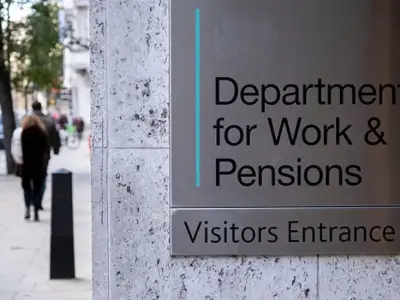
The Department for Work and Pensions (DWP) has officially announced changes to payment schedules for millions of benefit claimants across the UK during the upcoming festive season. This annual adjustment is necessary to ensure households have access to their funds when banks and government offices are closed for public holidays.
Revised Payment Dates for Christmas and New Year
As the DWP does not process payments on bank holidays, any funds due on Christmas Day (Thursday 25 December), Boxing Day (Friday 26 December), or New Year's Day (Thursday 1 January) will be issued early. This automatic shift is designed to prevent financial disruption during what is often an expensive time of year.
Specifically, claimants and pensioners expecting money on Boxing Day will receive it on Christmas Eve, Wednesday 24 December. This represents an advance of 48 hours. For those with a scheduled payment date of New Year's Day, funds will land in accounts on New Year's Eve, Wednesday 31 December.

Who is affected and what you need to do
The DWP has confirmed that these rules apply uniformly to all its benefits, including the State Pension. If your usual payment date does not fall on one of the three specified bank holidays, you will not be affected and will be paid as normal.
No action is required from claimants to receive these early payments. The DWP handles the process automatically. Payments will continue to be made directly into nominated bank, building society, or credit union accounts, typically becoming available in the early hours of the morning on the revised date.
Planning your finances over the festive period
While receiving money early can be helpful for covering festive costs, households are urged to budget carefully. The advancement means there will be a longer gap until the subsequent payment in January.
Financial experts advise recipients to note the exact arrival dates to ensure essential bills and commitments are still met after the holidays. Being aware of this schedule helps families manage their cash flow effectively through the Christmas period and into the new year.