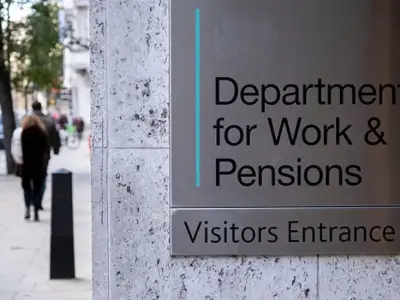
The Department for Work and Pensions (DWP) has been granted sweeping new powers to combat fraud, as landmark legislation has now received royal assent.
New Powers to Check Bank Accounts
The Public Authorities (Fraud, Error, and Recovery) Act passed its final hurdle in the House of Lords, paving the way for a major government clampdown. The core of the new law grants the DWP authority to scrutinise bank accounts for signs of suspicious activity linked to benefit claims.
This move is designed to tackle both fraud and costly administrative errors within the welfare system. The government states the bill's purpose is to provide a "robust and resolute response" to evolving fraud against the public sector.

Three Benefits in the Crosshairs
The initial phase of the crackdown will concentrate on the three benefits identified as having the highest rates of fraudulent claims:
- Universal Credit
- Employment and Support Allowance (ESA)
- Pension Credit
Minister for Transformation, Andrew Western, emphasised the need for a trustworthy system. "A benefits system people can trust is essential for claimants and taxpayers alike – through this bill that’s exactly what we’ll deliver," he said.
Serious Consequences for Offenders
The legislation introduces severe penalties for those found to be cheating the system. Beyond recovering funds directly from a fraudster's bank account, the DWP will have a powerful new deterrent.
Individuals who owe more than £1,000 in welfare debts and repeatedly ignore requests to repay could face a driving ban of up to two years. Courts will be able to suspend licences upon application by the DWP.
Former Work and Pensions Secretary Liz Kendall declared the government is "turning off the tap to criminals who cheat the system and steal law abiding taxpayers’ money." She added that the measures include "greater consequences for fraudsters," backed by safeguards and independent oversight to ensure proportionate use of the powers.
The government asserts that these steps are crucial to eliminate waste and restore public confidence, as part of its wider "Plan for Change."