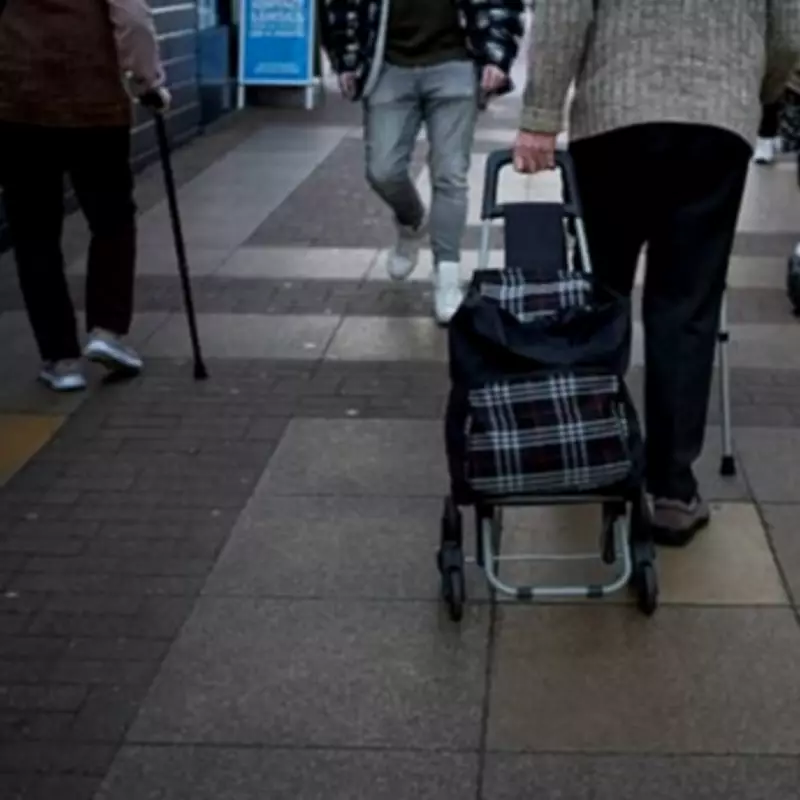
The Department for Work and Pensions (DWP) is enforcing a change to the state pension age that many claimants reportedly do not believe is happening. According to a new poll conducted by the Standard Life Centre for the Future of Retirement, 13 per cent of individuals aged between 60 and 65 are unaware or sceptical that the state pension age is moving from 66 to 67.
Details of the State Pension Age Increase
The DWP state pension age is rising from 66 to 67 over a two-year period beginning on 6 April 2026. The increase to 67 is scheduled to be fully completed by April 2028. This change affects anyone born on or after 6 April 1960. However, depending on an individual's exact date of birth, some may face an even longer wait for their state pension, as the age is set to rise further to 68, though that increase is not due to be phased in until 2044.
The poll also found that an additional 10 per cent of respondents said they did not know whether the state pension age was increasing. Hannah Martin, a pensions expert and founder of Rich Retiree, commented on the findings: "These people may have budgeted around receiving the state pension at 66, and will struggle with an unexpected year to find income for. Already, reports are showing that more people are going without essentials as a result, with women disproportionately affected."

Impact on Retirement Planning
Martin warned that the change would also affect individuals who are planning a 'pension bridge' using ISAs, savings, and other investments to retire before reaching state pension age. "If they are unaware of the increase in age, they could find their budgeting leaving them a year short," she added.
Reasons for the Increase
The state pension age is rising because people are living longer, on average, than they did many years ago. Historically, the state pension age was 60 for women and 65 for men. It began to rise to 65 for women in 2010, and by April 2020, it had reached 66 for both men and women. The government decided to increase the state pension age to 67 back in 2014, and it has also announced plans to raise it further to 68 between 2044 and 2046. However, the timetable for the rise to 68 may be subject to change.