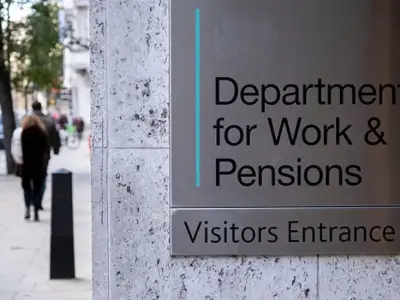
The Department for Work and Pensions (DWP) has been granted a significant expansion of its investigatory and enforcement powers under a new bill passed by the Labour government. The Public Authorities (Fraud, Error and Debt) Bill, which came into force on 4 December 2025, provides agents with seven key new tools designed to identify and recover funds lost to fraud and error within the benefits system.
What Are The New Powers?
The legislation introduces a suite of measures that shift how the DWP can interact with claimants' financial data and recover debts. The most prominent power is the Eligibility Verification Measure. This allows the DWP to issue notices to banks and financial institutions, legally obliging them to share information about a benefit claimant's account.
Furthermore, the department will now be able to use Direct Deduction Orders. This controversial power enables the government to directly recover money it believes is owed by deducting it from an individual's earnings or bank account without first going through the courts in every instance.

Official Support and Vocal Criticism
Labour's Minister for Transformation, Andrew Western MP, defended the bill, stating it was a necessary evolution. "It is right that as fraud against the public sector evolves, the government has a robust and resolute response," he said. He argued the powers would help "better identify, prevent and deter fraud and error" and ensure a benefits system people can trust.
However, the bill has faced fierce opposition from disability rights groups and some MPs. Mikey Erhardt, policy lead at Disability Rights UK, warned the bill "poses a serious risk to Disabled and marginalised people," arguing it treats people as numbers on a spreadsheet rather than human lives.
Labour MP Debbie Abrahams expressed concern that the measures could deter the most vulnerable from engaging with the DWP, while Liberal Democrat MP Steve Darling labelled it a "'Big Brother bill'" and criticised the swift seven-working-day passage between its first and second reading.
A Closer Look at the Enforcement Process
The bill outlines a stepped approach to enforcement. Initially, the DWP can issue Information Notices, legally requiring a person to provide specific details. If recovery is needed, a Recovery Notice will inform the individual of impending legal proceedings.
For penalties, the process involves a Penalty Decision Notice explaining the fine, followed by a Penalty Notice demanding payment by a set date. Finally, for those in work, the DWP can use a Deductions from Earnings Order to take money directly from their salary.
Shadow work and pensions secretary Helen Whately noted Conservative support "in principle" but raised concerns about system testing, citing the Horizon scandal as a cautionary tale about over-reliance on computer systems.
The enactment of these powers marks a major shift in the government's ability to scrutinise the finances of benefit claimants, setting the stage for ongoing debates over the balance between fraud prevention and civil liberties.