Retirement and personal finance experts are issuing a stark warning to UK workers: you may need to work and pay National Insurance for longer to receive the full state pension. The current requirement of 35 qualifying years could be increased to 36 or even 37 years as the government seeks to manage the soaring cost of the state pension.
Policy Shift to Ease the Pension Bill
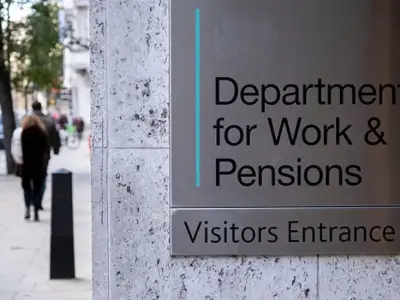
Financial planners are highlighting this potential change as a likely policy lever for the Department for Work and Pensions (DWP) and the Labour government. With the state pension bill rising alongside an ageing population, increasing the number of required National Insurance (NI) years is seen as a less politically damaging alternative to direct tax hikes or cutting the pension amount.
Henrietta Grimston, a chartered financial planner and partner at wealth management firm Saltus, explained the rationale. "Even a small increase to 36 or 37 years would shift costs onto future retirees without the immediate shock of an outright tax rise," she said. Grimston noted this aligns with the existing trend of raising the state pension age in line with increasing longevity.

The Triple Lock and Stealth Tax Threat
The warning comes as the state pension is set for a significant increase in April 2026. The triple lock mechanism will trigger a 4.8 per cent rise, taking the new state pension to £12,548 annually. However, experts caution this brings pensioners perilously close to the income tax threshold.
John Chew, a technical specialist for Tax and Estate Planning at Canada Life, provided a sobering analysis. "Pensioners will be just £22 away from the income tax cliff edge," he stated. With income tax thresholds frozen until 2031, this creates a growing stealth tax. Chew warned that from April 2027, recipients of the full new state pension will, for the first time, start paying income tax on it.
The financial pressure doesn't end there. Those relying on dividend income will also face a further two per cent increase in dividend tax, eroding retirement incomes even more.
Balancing Public and Private Pension Support
Experts stress that any move to reduce state support must be matched by stronger incentives for private saving. Grimston emphasised this critical balance: "You cannot reduce state support for tomorrow’s retirees while simultaneously making private saving less attractive." She pointed to recent announcements around National Insurance on salary sacrifice into pensions as a risk to this equilibrium, arguing that maintaining strong pension tax relief is essential.
The long-term sustainability of the triple lock itself is also under scrutiny. Mike Ambery, Standard Life's retirement savings director, acknowledged the government's current commitment to the policy but raised significant questions. "The state pension is funded by the workers of today, and its costs are set to swell over the coming years," he said. Ambery concluded that future reforms must carefully balance long-term affordability with the huge political risk of changing a policy that affects millions.
Ultimately, experts agree that adjusting the qualifying years or the pension age should be explored before any changes to the triple lock itself, which should remain a last resort. The overarching message is clear: individuals are being urged to take greater responsibility for their retirement income through private pensions, as the shape of state support continues to evolve.