Millions of women born in the 1950s have been dealt a cautious warning that not all of them will receive a long-awaited compensation payout, despite the government agreeing to reconsider its previous decision to deny them redress.
Government Reconsiders Compensation Decision
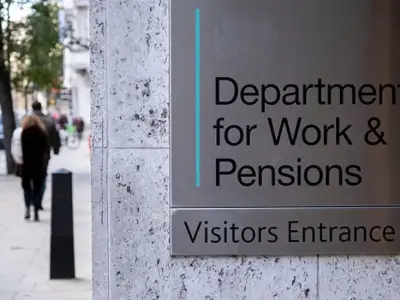
The Department for Work and Pensions (DWP) is set to retake its decision on awarding payments to the so-called WASPI women. This significant development was announced to the Commons on Tuesday by Work and Pensions Secretary Pat McFadden.
Mr McFadden stated that new evidence, which was not available to former DWP boss Liz Kendall when the original decision was made, had since come to light. This evidence will now be reviewed alongside the information previously considered.

However, he delivered a sobering caveat, telling MPs: “Retaking this decision should not be taken as an indication that government will necessarily decide that it should award financial redress.”
The Scale of the Injustice and the Cost
Campaigners argue that 3.6 million women born in the 1950s suffered significant financial losses due to government failings in communicating changes to the state pension age. Many were given insufficient notice that their retirement age was increasing from 60 to 66, disrupting their life plans and finances.
The issue was brought into sharp focus last March when the Parliamentary and Health Service Ombudsman (PHSO) published an official report. The PHSO recommended compensation payments of around £2,950 per person.
The potential cost to the taxpayer is substantial. Paying all 3.6 million women at the recommended level would amount to a total bill of between £3.5 billion and £10.5 billion.
Critically, the PHSO also noted that “not all women born in the 1950s will have suffered an injustice,” setting the stage for a complex and potentially divisive assessment process.
Campaigners' Reaction and Next Steps
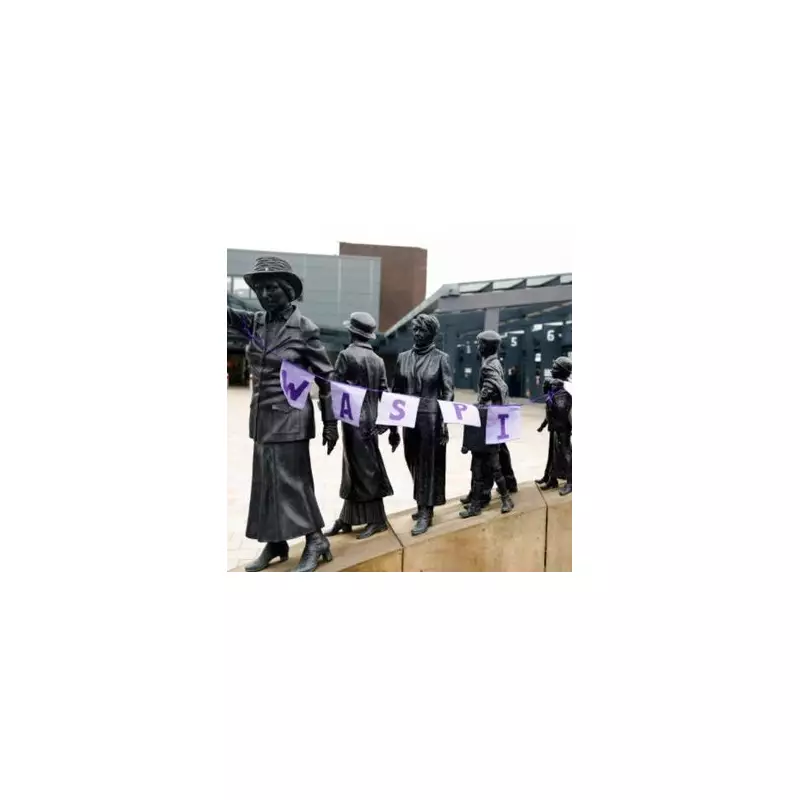
In response to the government's announcement, Angela Madden, chair of the WASPI (Women Against State Pension Inequality) campaign, described it as a “major step forward.”
She confirmed that the campaign is now seeking legal advice to understand the implications for their ongoing judicial review against the government.
The initial decision to deny any compensation was made by ministers last December, following the PHSO's report. This latest U-turn offers a glimmer of hope for the campaigners, but the explicit warning that not all women will benefit means the fight for justice is far from over.