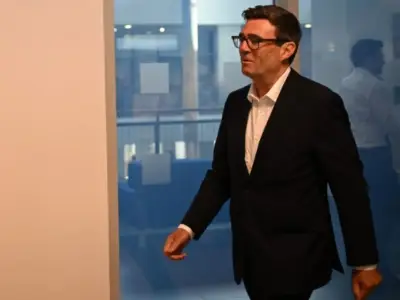
Prime Minister Andy Burnham and Chancellor John Healey will announce a decision on the income tax personal allowance in the government's first Budget on October 28, affecting low-income households across the country.
The personal allowance, currently set at £12,570, has been frozen for several years, dragging more lower-income earners into paying tax as their wages rise with inflation. Studies suggest the threshold would be around £16,000 if it had kept pace with inflation in recent years.
Burnham's Pledge and Caution
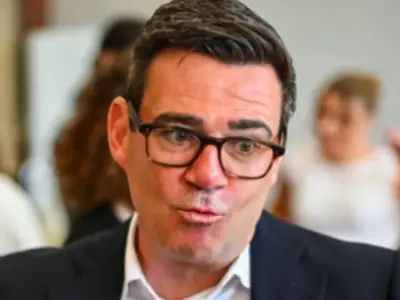
Burnham has acknowledged the issue and previously indicated a desire to raise the rate, but he has since rowed back on those comments. The Prime Minister has promised to examine the matter at the Budget but stressed there were "no commitments."

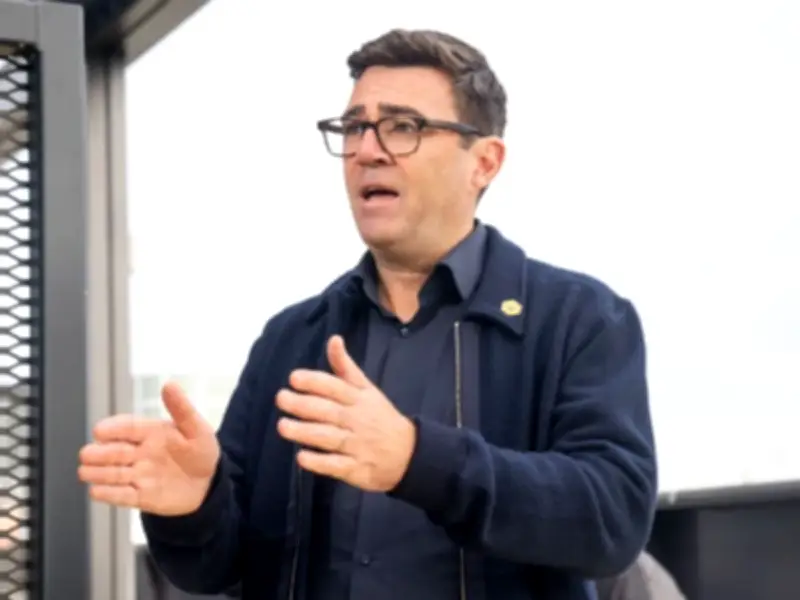
Burnham recently stated: "I want to answer questions honestly in this job, as I said before. I think that's all about trust in politics and doing politics differently, and I'm determined to keep working in that way." He added: "It was raised a lot, but I then went on to say, 'but we'll have to look at it at the Budget alongside everything else.' So no commitment, no unfunded promise."
Cost and Impact of Raising the Allowance
Raising the personal allowance would be costly for the government but would make a significant difference to the finances of some of the poorest families. The threshold is the point at which someone starts paying income tax, and its freeze has resulted in more people crossing it as their incomes increase.
Burnham concluded: "There is no commitment at this point to change, but we will look at that at the Budget." The October 28 announcement will determine whether low-income earners receive tax relief or continue to face fiscal drag.