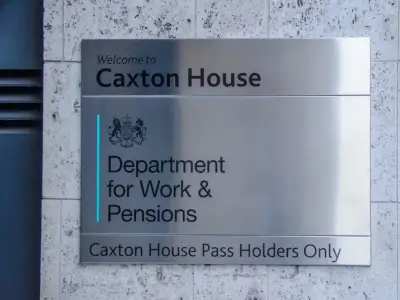
The Department for Work and Pensions (DWP) has issued a stark and urgent warning to millions of people claiming Universal Credit across the UK. Claimants must immediately report 17 specific changes in their circumstances or face serious consequences, including hefty repayments and potential prosecution for benefit fraud.
What Changes Must You Report to the DWP?
The DWP mandates that any alteration to your situation must be logged via your online Universal Credit journal as soon as it happens. This ensures your monthly payment is always accurate and reflects your current needs. Failing to declare changes can lead to overpayments that you will be legally required to pay back. In the most severe cases, deliberate non-disclosure could be treated as fraud and lead to court action.
The critical changes fall into several clear categories that every claimant needs to understand.

Home, Contact Details and Major Life Events
Any shift in your living arrangements is a top priority. This includes moving to a new address or any change in your monthly rent, as housing costs are a fundamental part of the Universal Credit calculation. A delay in reporting this can cause a significant error in your financial support for that assessment period.
You must also keep all personal contact and financial details strictly up to date in your online account. This covers your mobile number, email address, and bank account information. Accurate records ensure the DWP can contact you and that your payments land in the correct account without delay.
Major life events that dramatically affect your household must also be declared. This includes having a child, starting to care for a disabled person, or moving in with a partner. You must also tell your work coach if you become too ill to work or if a medical professional has indicated you are nearing the end of life, as this changes work-related requirements.
Work, Income, Education and Travel
Changes to your employment and income are another major reporting category. This is especially crucial if you are self-employed or if you start or finish a job. While PAYE earnings are often tracked automatically, shifts in self-employed profits or the end of a contract must be declared to ensure the "taper rate" is correctly applied to your monthly award.
The DWP also needs to know if you or a dependent child (aged 16 to 19) stop or restart education or training, as this affects the "child element" of your payment. Furthermore, any change to your immigration status—if you are not a British citizen—must be reported, as it can impact your right to claim public funds in the UK.
Travel and your financial assets are closely monitored. You must report any time you spend outside Great Britain (or Northern Ireland, based on your residency). Crucially, any change to savings, investments, or money in bank accounts must be disclosed. Having over £6,000 can reduce your payments, and if your savings exceed £16,000, you typically lose eligibility for Universal Credit altogether.
Staying on top of these 17 changes is not just a bureaucratic requirement; it is a legal duty for every claimant. Proactively updating your Universal Credit journal protects you from accidental debt and ensures you receive the correct, lawful support you are entitled to.