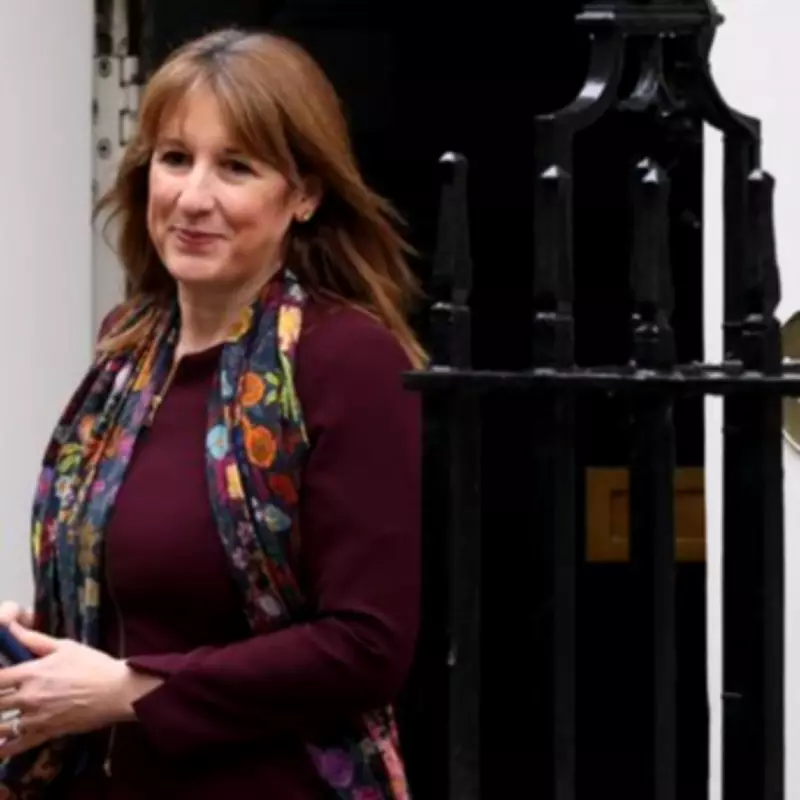
Chancellor Rachel Reeves has officially confirmed a significant rule change that will see Universal Credit payments increase by up to £608 per month for eligible families. This major policy shift involves scrapping the controversial two-child benefit cap, a move that Labour says will lift hundreds of thousands of children out of poverty.
What the Rule Change Means for Families
The two-child benefit cap, introduced under previous Conservative governments, has limited the amount of extra support parents can claim to their first two children. From April, this restriction will be removed entirely, allowing families to claim additional Universal Credit payments for their third, fourth, and subsequent children.
This change coincides with an increase in the Universal Credit rate for children born after April 2017, which will rise to £303.94 per month per child. For a family with four children, this translates to an additional £607.88 monthly when the cap is lifted. Larger families will see even more substantial increases to their household budgets.

Political and Economic Implications
The decision to scrap the two-child cap represents one of Labour's most significant welfare policy changes since taking office. Chancellor Reeves has framed the move as essential for addressing child poverty, arguing that the previous policy disproportionately affected some of Britain's poorest households.
However, the policy has drawn criticism from Conservative opponents who argue that increasing benefit payments to larger families creates unfairness in the welfare system and represents excessive government spending. The removal of the cap is expected to prove expensive for the Treasury, though Labour maintains the social benefits outweigh the financial costs.
Expert Reaction and Impact Assessment
Financial expert Antonia Medlicott, founder and managing director of Investing Insiders, welcomed the policy change: "The Government scrapping the two-child benefit cap will be welcomed by thousands of parents across the country. It is estimated to impact over 1.6 million children, with the aim of lifting many out of poverty."
The policy shift is expected to have immediate practical implications for affected families, with some households potentially becoming hundreds of pounds better off each month. This additional income could significantly impact living standards for families who have struggled under the previous benefit restrictions.
As the April implementation date approaches, government departments are preparing to adjust their systems to accommodate the new payment structures. The change represents a fundamental rethinking of how Britain supports families through its welfare system, with Labour positioning it as a cornerstone of their social justice agenda.