Appeal Launched Over Rejected Tyseley Club to Prayer Facility Conversion
An appeal has been formally lodged after a proposal to transform a former social club in Tyseley into a dedicated prayer facility was turned down by Birmingham City Council. The decision, made last November, centred on significant traffic and highway safety apprehensions raised by local authorities.
Traffic and Safety Concerns Prompt Rejection
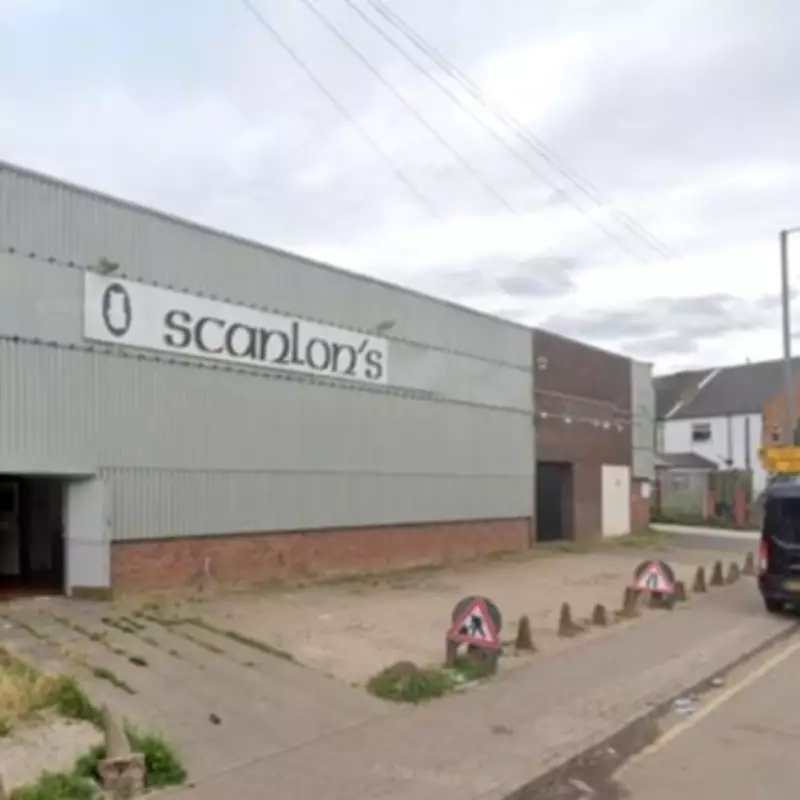
The initial application to repurpose the Old Scanlon's Club on Spring Road for religious use was rejected primarily due to fears that the development would lead to an increase in traffic movements, particularly during peak usage times such as Friday prayers. Council documents highlighted that the proposed use could result in heightened congestion and potential safety impacts on the surrounding road network, including the access drive and rear parking area.
Local opposition was vocal, with the Tyseley and Hay Mills Liberal Democrat group expressing strong concerns. They pointed out that the area already experiences heavy congestion, especially during school drop-off and pick-up times near the local girls' grammar school, and warned that additional traffic could adversely affect residents and community groups like the 260th Scouts based nearby.

Applicant's Counterarguments and Appeal Details
In response, the applicant has submitted an appeal, arguing that the scheme would not compromise highway safety—a view initially supported by council officers. The appeal statement outlines that the facility would primarily serve worshippers who live or work locally, with daily prayers expected to attract a maximum of 15 to 20 users, all of whom could be accommodated by on-site parking.
For the busier Friday Jummah prayers, capacity is projected to reach up to 100 users. The site offers 22 off-street parking spaces at the rear, plus an additional four staff parking spaces at the front, totalling 26 available spots. The applicant contends that this provision is ample to handle the anticipated demand without exacerbating local traffic issues.
Next Steps in the Planning Process
The appeal will now be reviewed by the national planning inspectorate, with a deadline for public comments set for February 16. This process will determine whether the initial rejection stands or if the conversion can proceed, potentially adding a new religious facility to the Tyseley community while addressing ongoing concerns about urban congestion and safety.
This case highlights the delicate balance between supporting community infrastructure developments and managing the practical implications of increased activity in already busy residential areas.