Historic Birmingham Factory Site Poised for Residential Redevelopment
Ambitious proposals to transform a largely vacant former factory building in Birmingham city centre into a substantial residential development have been recommended for approval by council planning officers. The scheme, which will be considered by the planning committee this Thursday, represents a significant regeneration opportunity for a prominent brownfield site.
Detailed Development Plans
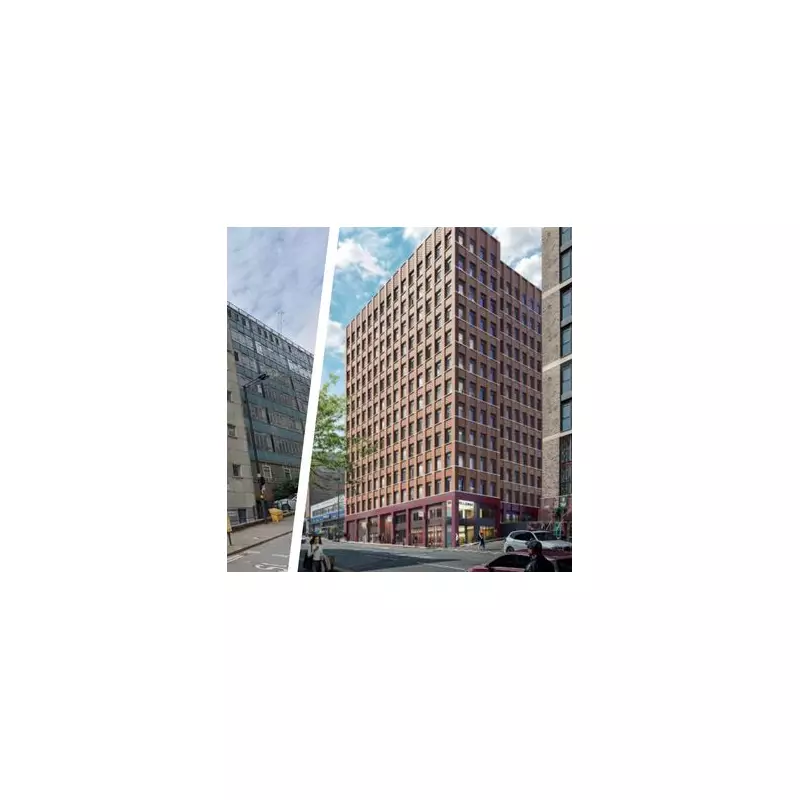
The comprehensive development application seeks permission to convert and substantially extend the existing structure at 55 Holloway Head, also known as Lee Bank House. The plans involve adding five additional storeys to the building, resulting in a 12-storey residential block that would deliver 215 new apartments to Birmingham's housing market.
In addition to the apartment conversion, the proposals include the construction of nine new townhouses on the site, creating a mixed residential development that combines high-density living with more traditional housing options. The original building was designed and constructed in the 1950s as a "flatted factory" for industrial purposes, but has accommodated various uses over subsequent decades including workshops, offices, and training facilities.

Council Assessment and Heritage Considerations
In their detailed report, council planning officers have identified several significant benefits associated with the proposed development. These include providing much-needed housing in a sustainable city centre location, improving the streetscape, and enhancing biodiversity through thoughtful design elements.
The report does acknowledge potential heritage concerns regarding two nearby designated assets: the Craven Arms and a local synagogue. However, conservation specialists have assessed the potential harm to these heritage sites as reaching "very low levels" that would be outweighed by the development's benefits.
"The designated heritage assets hold considerable historic significance," noted the council officer in their assessment. "The less than substantial harm which would be caused to their significance by the development is considered by conservation colleagues to reach very low levels. And in my view, I consider there are enough benefits associated with this proposal to outweigh the heritage harm."
Regeneration and Housing Contributions
The development represents a meaningful contribution toward Birmingham's housing provision and broader regeneration aspirations. The council officer's report highlights that the proposal would create a distinctive new place within the city while delivering a financial contribution toward affordable housing provision.
Regarding the loss of existing employment floorspace, the report notes that the site has previously received planning permission for redevelopment, and that no policy changes have occurred since that decision that would alter this position. The local area has undergone significant transformation in recent years, with numerous residential developments changing the character of adjacent sites to predominantly residential use.
Sustainable Development on Brownfield Land
The proposed development represents a classic example of sustainable urban regeneration, bringing back into productive use a vacant building on brownfield land in a highly sustainable city centre location. The council officer concluded that the scheme would deliver a high-quality residential-led development that aligns with Birmingham's strategic planning objectives.
The planning committee will make their final decision on the application during their meeting scheduled for Thursday, January 22. If approved, the development would mark another significant step in the ongoing transformation of Birmingham's city centre, converting underutilised industrial heritage into modern residential accommodation that meets contemporary housing needs while respecting the area's historical context.