Government Inspector Approves HMOs in Wolverhampton Despite Council Opposition
A government planning inspector has overruled City of Wolverhampton Council and approved the construction of two houses of multiple occupation (HMOs) in a local street, overturning the council's previous rejection of the development.
Council's Crime and Parking Concerns Dismissed
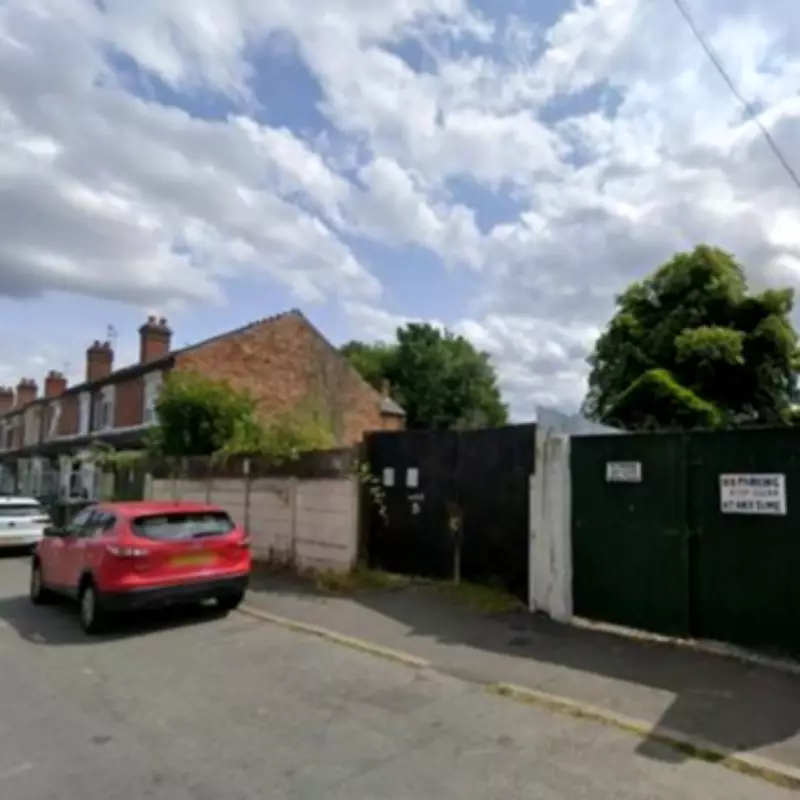
The City of Wolverhampton Council had rejected plans to demolish warehouses on Fawdry Street to make way for two four-bed HMOs, citing concerns about increased crime, anti-social behavior, and parking problems. The council argued that HMO tenants would create more noise and nuisance for existing residents and exacerbate the street's already extensive parking issues.
West Midlands Police supported the council's position, providing crime statistics that showed 50 percent of all reported crime in Wolverhampton occurred within 400 meters of an HMO. The council maintained that even if crimes weren't directly committed by HMO occupants, there remained a correlation between HMOs and criminal activity in the area.

Inspector's Rationale for Approval
The planning inspector disagreed with both the council and police assessments, stating in his report that the activity at the proposed HMOs would be no different from two fully-occupied family homes. He noted that while HMOs are typically occupied by unrelated individuals with differing schedules, the level of activity from eight occupants across two HMOs would not be materially greater than what could reasonably arise from two single-family dwellings.
"Based on the evidence provided, I find that the level of activity associated with eight occupants across the two proposed HMOs would not be materially greater than that which could reasonably arise from two single family dwellings," the inspector wrote.
Parking Concerns Deemed Unsubstantiated
The inspector also dismissed parking concerns, noting that the council had failed to substantiate its case regarding parking stress. He pointed out that the council's concerns about the lack of off-street parking were not supported by the planning policies that had been provided.
"The council has not substantiated its case regarding parking stress," the inspector stated in his report. "Moreover, in respect of this main issue, the council's concerns regarding the lack of off-street parking provision are not supported by the planning policies that have been provided."
Council's Original Position
In their original rejection, council planners had expressed concerns about the transient nature of HMO occupants, suggesting they might have fewer connections to or respect for the local area compared to permanent residents. This, they argued, could create tensions with the more permanent domestic population and undermine community stability and cohesion.
The council had also highlighted existing parking problems in Fawdry Street, where residents already compete for spaces with patrons at the nearby Stile Inn pub, worshippers at two mosques at either end of the street, and Wolverhampton Wanderers fans heading to Molineux Stadium.
"Such competition can create disputes and conflict between neighbours, undermining the harmony and enjoyment of a neighbourhood," the council had warned in their rejection notice.
Scaled-Down Development
The approved plans represent a scaled-down version of earlier proposals, which had initially suggested a 12-bed HMO for the site. Despite supporting the demolition of warehouses and redevelopment of the site last year, council planners had remained opposed to the HMO concept throughout the planning process.
The inspector's decision represents a significant victory for the developers and highlights ongoing tensions between local planning authorities and national planning inspectors regarding housing development policies, particularly concerning HMOs in urban areas.