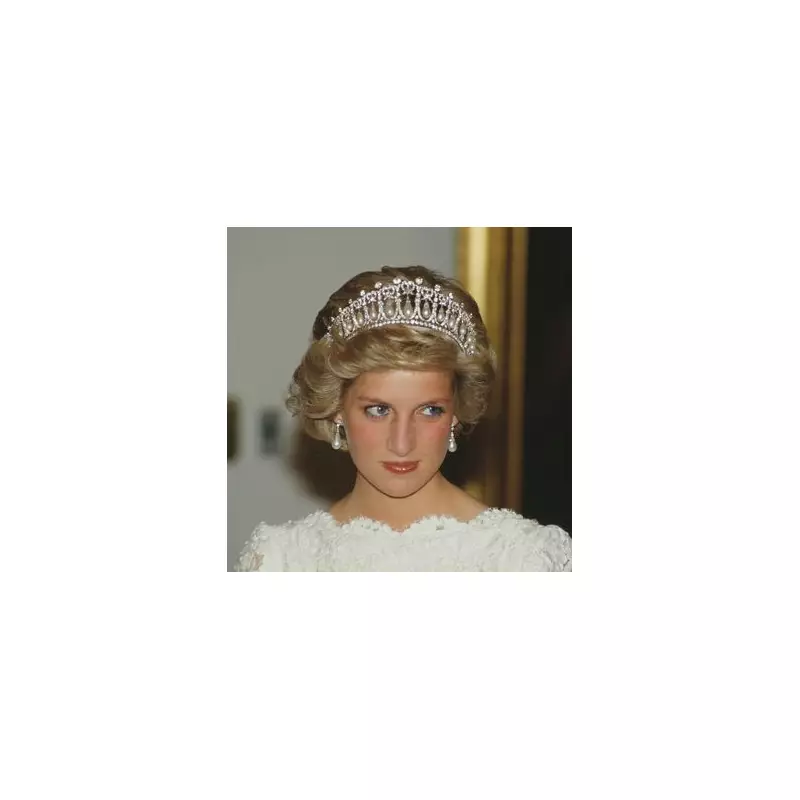
Freshly released Irish government documents have shed new light on the intense media rivalry between the late Diana, Princess of Wales and the then-Prince of Wales, now King Charles III, following their marital separation.
A Strategic Visit to Ireland
The assessment is contained in files made public by the National Archives of Ireland. They detail the backdrop to a two-day visit Charles made to Ireland in June 1995, three years after he and Diana formally separated in 1992.
According to the records, Charles's camp viewed the Irish trip as a crucial part of a long-term public relations strategy. The goal was to rehabilitate the Prince's image in the eyes of the British public after the high-profile and acrimonious split from Diana.
'Fiercely Loyal' Aides and a 'Predatory' Media Approach
Charles's press team, led initially by press secretary Alan Percival and later by Sandy Henney, reported to Irish officials that the visit had been "the best public outing the Prince has had in a very long time".
The Irish Department of Foreign Affairs document describes Ms Henney as "fiercely loyal" to Charles and "alive to every opportunity to advance his cause". In a conversation with Irish official Joe Hayes, Henney joked that they might next hear from Princess Diana's team about a potential visit.
Mr Hayes noted in a memo: "I took this as a joke until she repeated it and assured me that in the media battle between the two, the Princess was by far the more predatory and skilled and her staff devoted a great deal of time to finding ways and means of upstaging St James’ Palace."
Coverage Contrast and Lasting Revelations
The files also note that coverage of Charles's visit in the UK, while positive, was "relatively light" compared to the blanket coverage it received in Ireland. Officials on both sides of the Irish Sea observed this stark contrast in media attention.
This candid insight, recorded three decades ago, underscores the calculated and often competing media strategies employed by the two most famous figures in the Royal Family at the time. The documents, filed under reference 2025/124/160, provide a rare official glimpse into the perceptions of their protracted public relations war.