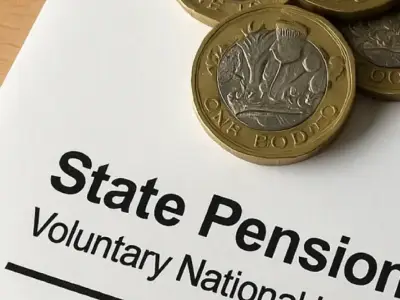
The Department for Work and Pensions (DWP) has confirmed a major change that will see state pensioners pay income tax on their state pension for the first time ever next year. The new full state pension is set to rise by £488 to £13,036 a year from 2027, pushing it £466 above the £12,570 threshold at which income tax begins.
This means pensioners whose sole income is the state pension will still be below the tax threshold, but those with small private pension pots will face HMRC bills. Under HMRC rules, retirees can withdraw up to 25% of their pension pot tax-free when they first retire, but any funds withdrawn above this threshold are subject to income tax.
Political promises and the tax threshold
Last year, Labour Party MP and former Chancellor Rachel Reeves vowed that pensioners whose only income is the state pension would not have to pay tax on it. However, the new figures show that the full state pension will exceed the personal allowance by £466, creating a situation where pensioners with additional income could be caught by the tax net.
Steve Webb, partner at pension consultants LCP and former Liberal Democrats and Conservative Party coalition government pensions minister, highlighted the disparity. Workers earning the same amount as the state pension level would be taxed, while pensioners receiving only the state pension would not. "There is a real risk that pensioners on the new system will be more favourably treated," Mr Webb said.
Administrative challenges and pensioner impact
Mr Webb also noted that there is no costing for the policy in the Budget documents, suggesting it remains an idea rather than a firm plan. "It will be incredibly difficult for the Treasury to come up with something that is workable and fair," he added.
Rachel Vahey, head of public policy at investment platform AJ Bell, said: "Collecting the little bits of tax owed from millions of pensioners was always going to be an administrative headache for the government. It's no wonder they've put their tax collecting thinking caps on to find ways to avoid it, but we will have to wait and see what process they come up with and whether it will indeed make pensioners' lives simpler."
Treasury response and triple lock commitment
A Treasury spokesperson said: "Pensioners whose only income is the full new or basic state pension without any increments will not pay income tax and we are committed to that over this Parliament." The spokesperson added: "By keeping the triple lock, 12 million pensioners will see their income rise by up to £470 this year, and they continue to benefit from one of the most generous personal allowances in the G7."
The confirmation of the rise means the state pension will increase from £12,548 to £13,036 annually from April 2027, affecting around 12 million pensioners across the UK. The change will require HMRC to collect tax from pensioners with additional income sources, a process that experts say could prove complex and costly to administer.