Iran Dismisses Trump's Claims of Talks as 'Fake News'
Iran's parliament speaker, Mohammad-Bagher Ghalibaf, has firmly rejected reports of discussions between the United States and Iran, labeling them as "fake news." In a post on X on Monday, Ghalibaf stated that no negotiations have taken place with the US, accusing such claims of being used to manipulate financial and oil markets and to divert attention from what he described as the "quagmire" in which the US and Israel are trapped.
Trump's Assertion of Productive Conversations
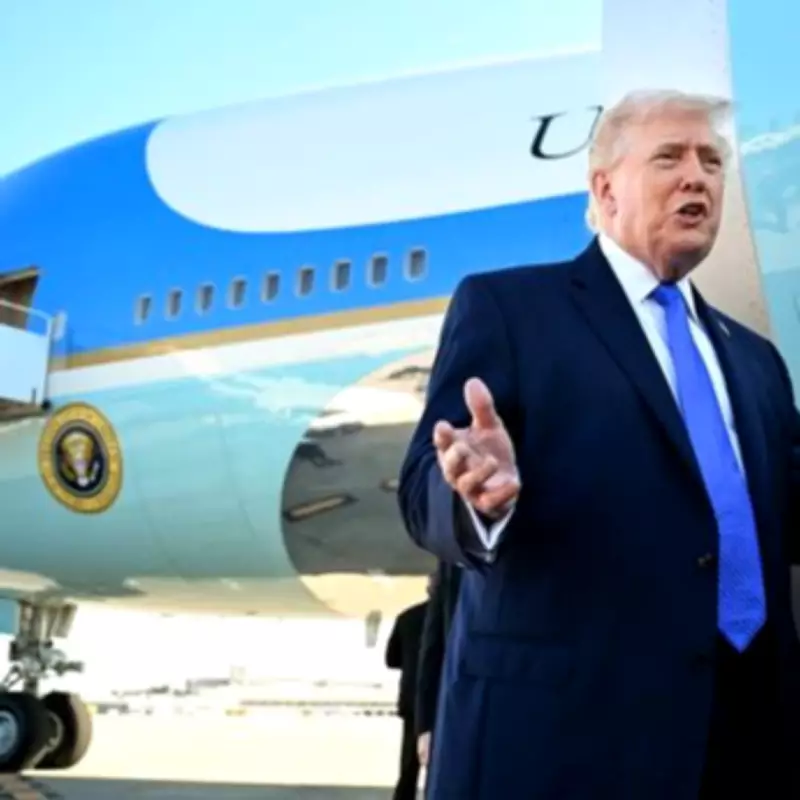
Earlier on Monday, US President Donald Trump claimed in a Truth Social post that his country and Iran have engaged in "productive conversations" aimed at achieving a "complete and total resolution" to the ongoing war in the Middle East. Several media outlets reported, more than an hour before Ghalibaf's denial, that Trump's special envoys, Steve Witkoff and Jared Kushner, have been negotiating with Ghalibaf, citing unnamed sources.
Iranian Media and Officials Refute Negotiation Claims
Iran's Farsna news agency also refuted the claims of any negotiations occurring. In a Telegram post, it asserted that "informed sources say special events have been planned for this evening for Tel Aviv and some of America and Israel's regional allies." The agency added that these events "will completely remove the hope of negotiation from the minds of the aggressors," hinting at potential threats or actions.
Additionally, the spokesman for Iran's Foreign Ministry, Esmail Baghaei, confirmed that there have been no discussions with the US, according to the state-run IRNA news agency. Baghaei emphasized that "Iran's position on the Strait of Hormuz and the prerequisites for ending the war remains exactly as before." He suggested that messages had been received from "some friendly countries indicating a US request for negotiations aimed at ending the war," as reported by the Mirror.
Trump's Deadline Extension and Market Reactions
Following his announcement of talks, Trump extended his deadline for Iran to reopen the Strait of Hormuz, stating that the US will hold off striking power plants in the country for five days. Previously, on Saturday night, Trump had given Iran a 48-hour deadline to reopen the strait. In response to Trump's claims, relief swept through financial markets, with oil prices easing and stock prices climbing on Wall Street.
Humanitarian Toll of the Conflict
Since the conflict began on February 28, the humanitarian impact has been severe. In Iran, more than 1,500 people have been killed in US-Israeli strikes. In Lebanon, over 1,000 people have been killed in Israeli strikes, and more than one million people have been displaced, according to the Lebanese government. UN peacekeepers in southern Lebanon report "intense gunfire and explosions" as Israeli ground forces engage with Hezbollah militants.
In Israel, fifteen people have been killed, and thirteen US service members have lost their lives in combat, along with a number of civilians on land and at sea in the Gulf region.