Travel Expert Issues Urgent Warning Over New £589 Passport Rule
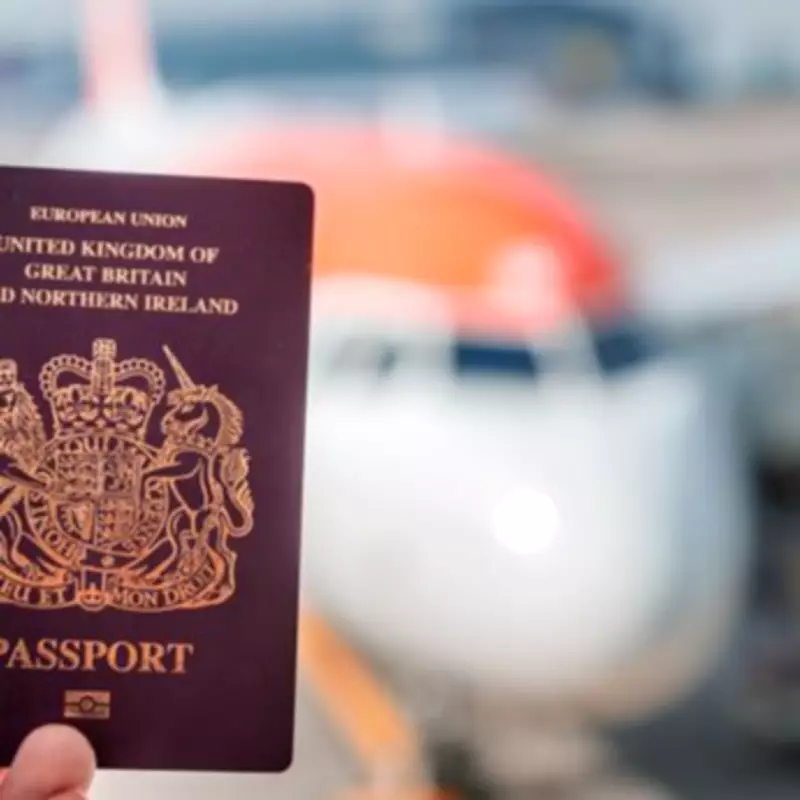
British citizens who hold dual nationality face a significant change in travel requirements starting this Wednesday, February 25, 2026. According to travel experts, dual nationals, including children, may be denied entry to the United Kingdom unless they present a valid British passport. Alternatively, they can obtain a certificate of entitlement for £589 to attach to their foreign passport, a costly new requirement that replaces the previous free entry using non-British documents.
New Electronic Travel Authorisation System
The rule change coincides with the introduction of the Electronic Travel Authorisation (ETA) system for visitors to the UK. While British and Irish citizens are exempt from the ETA requirement, dual nationals must now prove their British citizenship through specific documentation. Without a British passport or the £589 certificate, carriers such as airlines, ferries, and trains may refuse boarding, leading to potential holiday or work trip disruptions.
Tom Vaughan, a travel insurance expert at Confused.com, emphasized: "From next Wednesday, British nationals who hold dual citizenship will need to enter the UK using a valid British passport. This means travellers won't be able to rely on other nationality's passport to travel into the UK, even if they've used it in the past."
Potential Complications and Government Response
Dual nationals attempting to enter the UK with only a foreign passport could face additional checks and delays while their status is verified. Although British citizens have a statutory right of abode, the lack of proper documentation may result in boarding refusals. The Government announced these rules last year as part of a broader plan for a more streamlined, digital immigration system, aiming to enhance border security and efficiency.
A Home Office spokesperson stated: "From February 25 2026, all dual British citizens will need to present either a valid British passport or certificate of entitlement when travelling to the UK. Without one, carriers cannot verify they are a British citizen, which may lead to delays or refused boarding."
Costs and Communication Concerns
The certificate of entitlement currently costs £589, a substantial fee that dual nationals must factor into their travel budgets. In contrast, the ETA for other visitors costs £16, allowing multiple journeys for up to six months at a time over two years, with plans to increase it to £20 in the future. Some dual nationals have criticized the changes for being introduced at short notice and poorly communicated, despite Government claims that public information has been available since October 2024.
Vaughan added: "If you don't have a valid British passport, you'll need to apply for a certificate of entitlement to confirm your citizenship status before you travel. This currently costs £589, so it's important to factor this into both your plans and your budget."
Broader Context and Travel Advice
The introduction of ETAs aligns with border security measures in countries like the United States, Canada, and Australia. For those with British passports, experts advise ensuring compliance with other entry rules, such as having a passport issued less than ten years before departure and at least three months validity from the return date, especially for onward travel to the EU.
Travelers are urged to check their documentation thoroughly to avoid last-minute issues. Vaughan concluded: "Making sure your documents are in order will allow you to travel stress free and help you avoid any last-minute disasters."