The government has announced it will retake a crucial decision on whether to compensate millions of women affected by changes to the state pension age, after new evidence came to light.
Government Revisits Compensation Decision
In a significant development for the long-running campaign, the Labour government confirmed on 15 December 2025 that it is reviewing its previous stance. This follows an announcement by the Secretary of State for Work and Pensions on 11 November 2025.
Torsten Bell, the Labour MP for Swansea West, stated in Parliament that the decision made in December 2024 regarding communications on state pension age changes would be retaken. "Information that was not considered at the time of the original decision has come to light," he said.
The process is now underway, with the government pledging to review both the new and previously considered evidence before reaching a conclusion and updating Parliament.
The Core of the WASPI Campaign
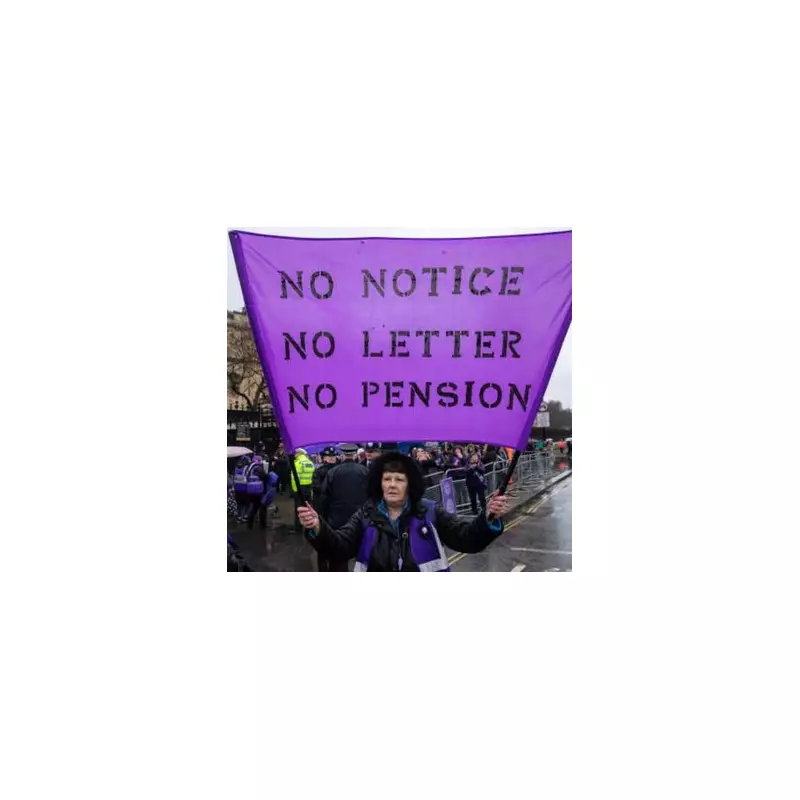
The issue centres on 3.5 million women born in the 1950s who argue they were not given adequate notice that their state pension age was rising from 60 to 66, to equalise it with men. Many had to wait an extra six years to receive their pension, a delay they say wrecked retirement plans and caused serious financial hardship.
In March 2024, the Parliamentary and Health Service Ombudsman (PHSO) ruled that the Department for Work and Pensions (DWP) was guilty of "maladministration" in its communication of the changes. The watchdog recommended that affected women should receive compensation payouts of between £1,000 and £2,950 each.
Political Pressure and Next Steps
The review was prompted by a question in the Commons from Alex Easton, the Independent MP for North Down. He asked the government to clarify its policy on establishing a compensation scheme, referencing both the Ombudsman's report and a Work and Pensions Committee recommendation from May 2024.
While no timeline has been given for the final decision, the move to formally retake it represents a major shift. WASPI (Women Against State Pension Inequality) campaigners will be watching closely, hoping the new evidence leads to the compensation they have fought for over many years.
The financial implications are vast, with a potential total compensation bill running into billions of pounds depending on the level of payout finally agreed upon.