Chancellor Rachel Reeves 'Watching Very Closely' as Fuel Duty Hike Fears Emerge
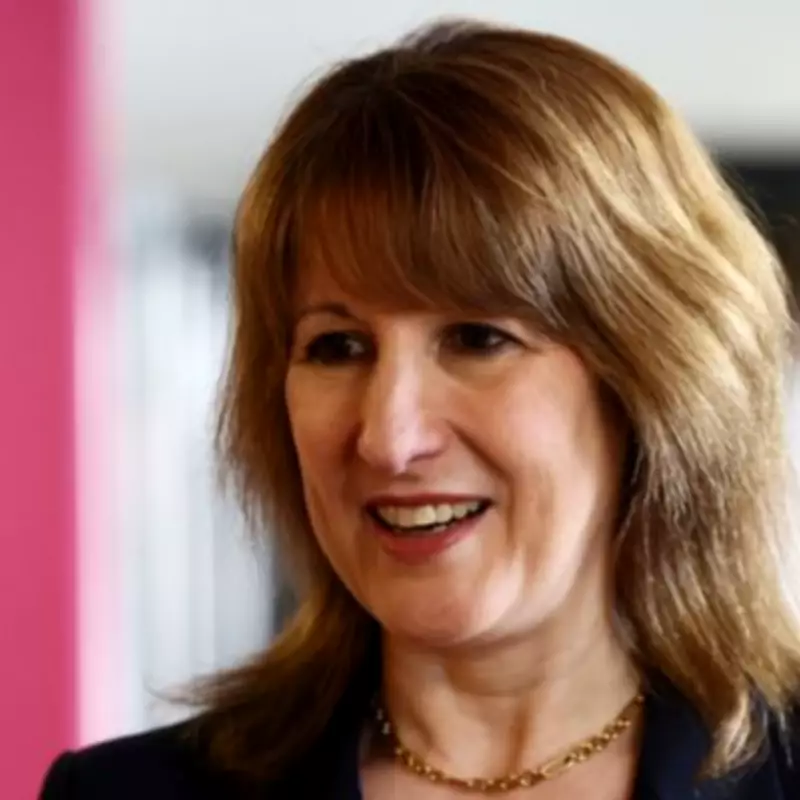
Labour has issued a rare update on the future of fuel duty prices, with Chancellor Rachel Reeves said to be "watching any movement in the oil prices very closely."
Concerns over potential fuel duty hikes have been raised due to fears that military action in Iran could lead to higher petrol and diesel costs across Britain. The Labour Government has maintained the 5p per litre reduction first introduced by the Conservatives four years ago, with an extension to this initiative outlined in the Autumn Budget.
Staggered Increases Planned
However, this reduction is only set to remain in place until September 2026, with increases expected this autumn. Forming part of a staggered hike, fuel duty is earmarked to rise by 1p per litre on September 1, followed by further increases of 2p in December 2026 and another 2p in March 2027.
Recently, there has been significant concern that the United States' decision to carry out airstrikes on Iran could increase the price of Brent Crude Oil. This development could in turn lead to a hike in diesel and petrol prices at British pumps, as reported by various media outlets.
Defence Secretary Responds to Questions
Trevor Phillips from Sky News asked Defence Secretary John Healey whether Rachel Reeves could intervene if a hike in oil prices pushes up fees at the pump. Phillips specifically questioned: "Would it be wise to delay the rise in fuel duty which is planned?"
Healey responded: "She is watching very closely, as you'd expect, any movement in the oil prices. We've seen before when Russians invaded Ukraine that the price of war is so much greater than the cost of deterrents."
The Defence Secretary continued: "We saw double digit inflation. We are still paying higher energy and fuel prices now after that invasion."
Cost of Living Concerns
Phillips reiterated his question, asking whether Ms Reeves would look to "reconsider the rise in fuel duty" which would "add dramatically to the cost of living."
Healey added further context: "We are 24 hours into this conflict, the Chancellor is watching this very closely and as you'd expect as Defence Secretary, my first concern is protecting British people, military and civilians in the region."
The Defence Secretary emphasized: "It's making sure that we can protect our bases, that we can protect our allies. That we do what we can either by defensive military action or by diplomacy to prevent the risk of further escalation and therefore a greater impact on people's living standards and prices in Britain and other countries."
The situation remains fluid as the government balances economic policy with geopolitical developments, with all eyes on how oil price fluctuations might affect planned fuel duty increases and broader cost of living pressures.