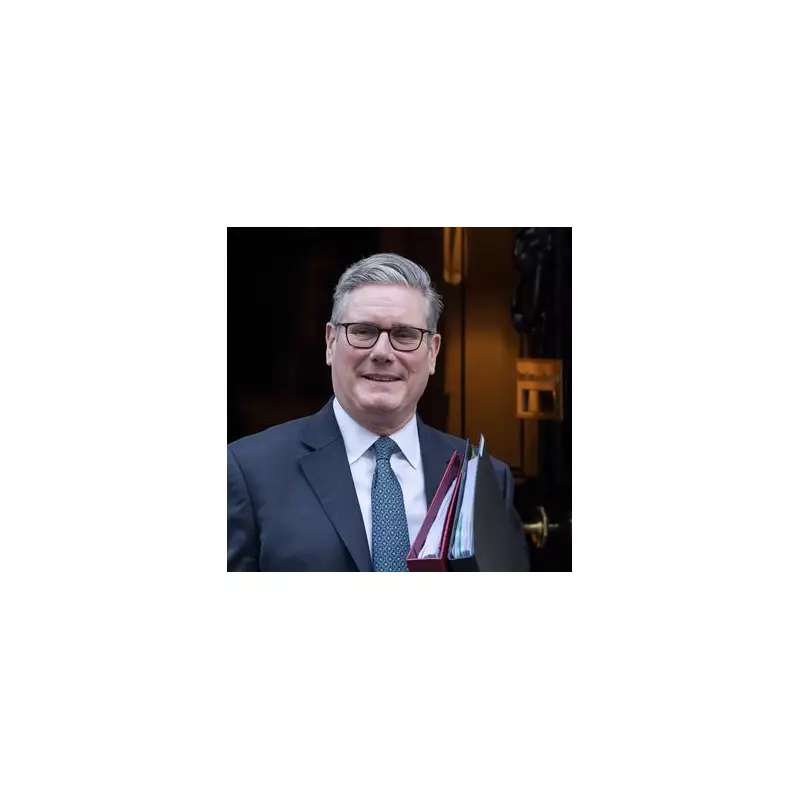
Prime Minister Sir Keir Starmer has delivered a stark warning, stating that China presents "real national security threats to the United Kingdom". The declaration came during a major foreign policy address at London's Guildhall on 2 December 2025.
A New Doctrine of "Sober Realism"
In his speech, Starmer set out a new strategic approach, moving away from what he described as the previous government's erratic swings between a "Golden Age" of cooperation and an "Ice Age" of confrontation. He instead advocated for a policy founded on "strength, clarity and sober realism".
The Prime Minister asserted that the UK's stance must not be driven by fear nor softened by illusion. He made it unequivocally clear that protecting national security is the government's primary duty and is non-negotiable, vowing that security would not be traded for economic access.
Security First, But Engagement Essential
Despite the firm line on security, Starmer was careful not to advocate for a complete disengagement. He stressed that by taking tough steps on security, the UK positions itself to cooperate with China in other, less sensitive domains.
He highlighted the "huge" export opportunities that remain for British businesses, specifically naming financial services, pharmaceuticals, and luxury goods. Defending his plans for an official visit to China in the new year, Starmer argued that an absence of engagement would constitute a "staggering" dereliction of duty.
Broader Critique of Isolationism
The Prime Minister used the platform to launch a broader attack on isolationist politics. He criticised the "corrosive, inward-looking attitude" of some politicians and stated it would be "utterly reckless" to view Brexit as a template for future foreign policy decisions.
The speech prompted immediate political backlash. Shadow Foreign Secretary Dame Priti Patel accused Starmer of pursuing a "naive" and "ill-judged" policy. She claimed the Prime Minister "continues to kowtow to China" while placing the nation's security at risk.
Starmer's address marks a definitive attempt to recalibrate the UK's complex relationship with the world's second-largest economy, seeking a precarious balance between unwavering security vigilance and pragmatic economic necessity.