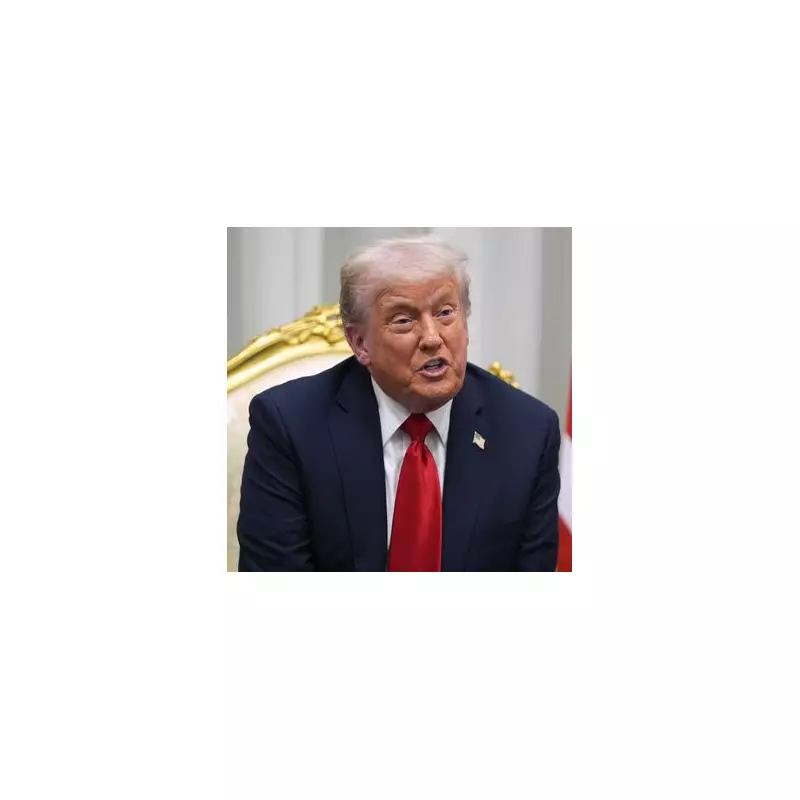
Former US President Donald Trump has initiated a monumental legal battle against the British Broadcasting Corporation, filing a lawsuit that demands a staggering $5 billion in damages. The claim, lodged in a Florida court, alleges that a BBC Panorama episode broadcast before the 2024 election maliciously edited a speech he gave prior to the 2021 Capitol riots.
The Core of the $5 Billion Defamation Claim
The legal action, filed in the Southern District of Florida, accuses the BBC of defamation and violating a Florida trade practices law. At the heart of the dispute is a Panorama programme that Trump asserts "put words in my mouth." His legal team contends that editors spliced together segments from his speech that were delivered nearly an hour apart, creating the false impression that he directly instructed supporters to "fight like hell."
Trump's lawyers have branded the editing a "brazen attempt" to interfere with the 2024 presidential election. They escalated their accusations by stating the broadcaster acted with a "leftist political agenda," engaging in what they describe as "reckless election interference" by intentionally and deceptively doctoring the footage.
The BBC's Response and Internal Fallout
In response to the controversy, the BBC issued an apology, acknowledging an "error of judgment" occurred during the post-production of the Panorama episode. However, the corporation has firmly rejected the financial and legal demands, stating there is "no basis for a defamation claim."
The internal repercussions at the BBC were severe. The scandal led to the resignation of both Director-General Tim Davie and the head of BBC News, Deborah Turness. Davie admitted that "some mistakes were made" and accepted "ultimate responsibility" for the editorial failure, stepping down from his role as a consequence.
Legal and Political Ramifications
This lawsuit represents one of the largest defamation claims ever brought against a media organisation by a major political figure. It highlights the ongoing, intense scrutiny of media editing practices and the powerful accusations of bias in political reporting. The case, set to play out in a Florida court, will test the boundaries of international media law and the legal reach of US figures over foreign broadcasters.
The key facts remain undisputed: the broadcast aired, an apology was made for an editing error, and senior BBC leadership resigned. Yet, the central legal question of whether this constitutes actionable defamation worth $5 billion, as Trump claims, or a regrettable but non-actionable mistake, as the BBC maintains, will be for the courts to decide.