
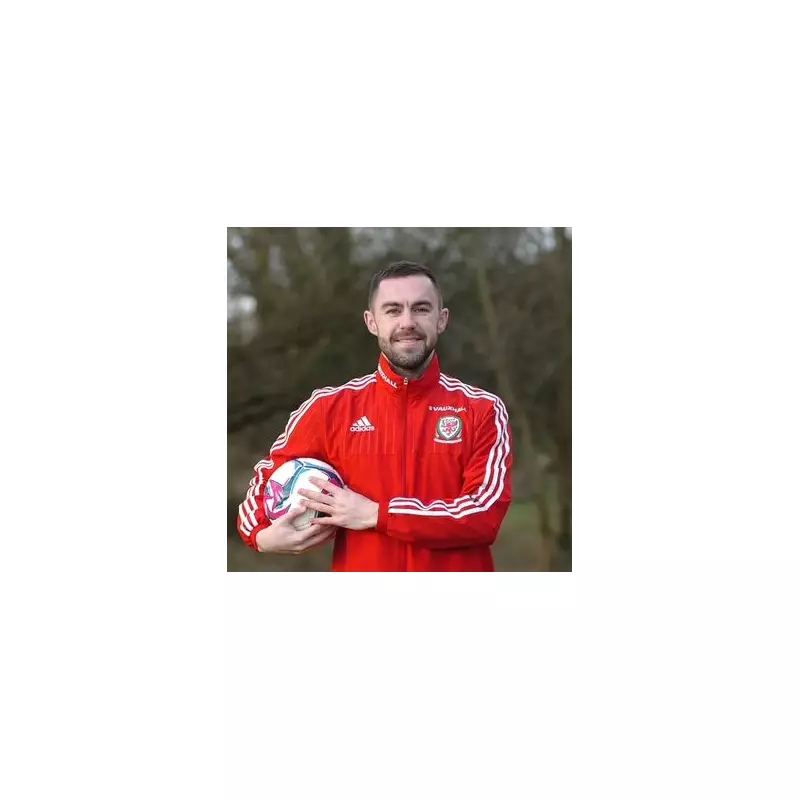
When Chris Bright received a type 1 diabetes diagnosis at just eight years old, football became both his refuge and his greatest challenge. The Worcestershire native's lifelong passion for the game took him to semi-professional levels and even saw him representing Wales in futsal. Yet behind these achievements lay the constant burden of managing a condition that, as Chris describes, 'never leaves you alone'.
Turning Personal Struggle into Community Strength
"Football was my sanctuary before diagnosis and remained so afterwards," Chris reflects. "But the sport can be brutally unforgiving. Throughout my younger years, I encountered numerous stereotypes and thoughtless comments that made accepting life with type 1 diabetes considerably more difficult."
These experiences ultimately inspired Chris to establish The Diabetes Football Community (TDFC) in 2017. This UK-wide organisation, headquartered in Worcestershire, harnesses football's power to connect, educate and empower individuals living with diabetes.
The pivotal moment arrived during a diabetes education course in 2017, where Chris met other people with type 1 diabetes for the first time. "That experience transformed my perspective," he recalls. "Sitting among people who genuinely understood my daily struggles highlighted the incredible value of community support."
From Twitter Account to National Movement
Shortly after this revelation, Chris launched a Twitter account to share his personal journey, marking the birth of TDFC. What began as online conversations rapidly evolved into a substantial movement. Today, TDFC operates hubs and community sessions across multiple UK regions, including London, the Midlands, the North West and Scotland.
The organisation delivers regular events, training sessions and support networks specifically designed for people living with diabetes. Chris explains their direct approach to challenging misconceptions: "Many people wrongly assume that those with diabetes cannot be active, or that the condition simply results from excessive sugar consumption. By playing football and demonstrating what's achievable, we directly confront these damaging myths."
Football's universal appeal has proven instrumental in their mission. "Sport naturally brings people together," Chris notes. "Its positive standing in society helps us tackle stigma while creating safe spaces for connection."
Life-Changing Impact and Political Recognition
One powerful story from TDFC's early days continues to resonate with Chris. Following their first men's training session in 2018, a participant later shared on a podcast: 'Without the Diabetes Football Community, I think I'd probably be six feet under'.
"That statement has remained with me ever since," Chris admits. "It demonstrates how profoundly life-changing it can be when someone discovers their tribe - people who truly comprehend the daily pressures of living with diabetes."
Despite significant growth, TDFC continues facing substantial challenges. Public understanding of diabetes remains limited, particularly regarding the distinction between type 1 and type 2 diabetes. "Many don't perceive diabetes as a story worth telling," Chris observes. "This makes securing visibility, funding and support beyond the diabetes community particularly difficult."
He emphasises that while diabetes is recognised as a hidden disability under UK law, "the empathy and support you'd anticipate from society or sporting governing bodies frequently falls short. That's precisely what we're determined to change."
This visibility gap directly affects sporting opportunities. Chris finds that many national governing bodies still don't provide equivalent support for people with hidden disabilities compared to other groups. TDFC actively works to ensure diabetes receives proper recognition throughout the sporting landscape.
In September 2025, diabetes in sport gained national attention when MPs debated the subject in the House of Commons, prompted by TDFC's advocacy work. During discussions, parliamentarians acknowledged that only a small number of national sporting bodies have published diabetes policies - a gap highlighted by TDFC's groundwork. The Sports Minister committed to collaborating with Sport England and Diabetes UK on research into barriers facing people with diabetes in sport.
For TDFC, this parliamentary debate represents a crucial opportunity to amplify their impact and embed grassroots experience within national policy.
Future Ambitions and Lasting Legacy
TDFC's future objectives are clearly defined. Over coming years, Chris aims to expand the women's football project nationwide, strengthen partnerships with clubs and charities, and increase educational outreach in schools and community sports settings.
"Football serves as our starting point," Chris explains. "It's the hook that brings people through the door. From there, we build confidence, friendships and understanding that extend far beyond the football pitch."
He concludes with their fundamental mission: "Our goal remains straightforward: to make life with diabetes easier for future generations. If football can help us achieve this through inspiration, education and bringing people together, then we're creating genuine, lasting change."
TDFC already delivers participation programmes across multiple regions through local hubs and plans to grow its women's project and community engagement initiatives. The organisation welcomes involvement from players, volunteers and supporters alike, with further information available through their official website.