
Birmingham City Football Club has taken a monumental step forward in its ambitious regeneration plans with the official unveiling of designs for a spectacular new 62,000-seat stadium that promises to transform the city's landscape.
A Vision for Urban Transformation
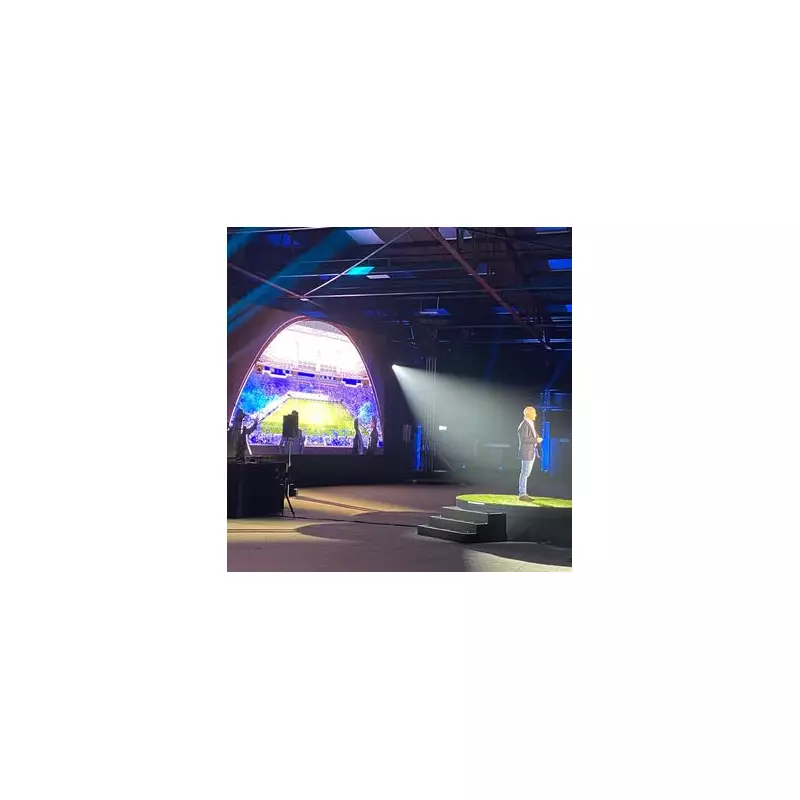
Club chairman Tom Wagner presented the groundbreaking stadium designs during a special event held at Digbeth Loc Film Studios, marking what he described as a "milestone moment" for both the football club and the city of Birmingham. The stadium will serve as the centrepiece of the wider Sports Quarter development, an enormous project set to completely revitalise part of east Birmingham.
The ambitious Sports Quarter will include a world-class training centre, dedicated women's stadium, multi-purpose arena, and mixed-use development featuring housing and commercial spaces. Located on the former Birmingham Wheels site in Bordesley Green, which the club purchased from Birmingham City Council last year, the project aims to create what Wagner calls a "global destination" for sport and culture.
Design Collaboration and Industrial Heritage
The stadium design emerges from a collaboration between award-winning British designers Heatherwick Studio and Kansas-based architectural firm MANICA Architecture. The project also enjoys creative input from Steven Knight, the acclaimed writer behind Peaky Blinders and a lifelong Birmingham City supporter.
According to project leaders, the 62,000-capacity venue will become "a major new city landmark that reflects the region's industrial heritage while embracing cutting-edge engineering." The design pays homage to Birmingham's manufacturing legacy while incorporating modern sustainable features and state-of-the-art facilities.
Accelerating Wider Benefits
When questioned about the timeline for delivering the Sports Quarter's broader benefits, including the arena and housing components, Wagner expressed his desire to see progress "as quickly as possible." He confirmed to the Local Democracy Reporting Service that many elements of the comprehensive project are "very far along" in their development stages.
"We're being thoughtful about how we sequence the construction," Wagner explained, emphasising the importance of first establishing momentum with the stadium reveal. "If I had my way, more than just the stadium will have been built in five years' time," he added, signalling the club's commitment to rapid, coordinated development.
Political Support and Transport Funding
The project has garnered significant political backing at both regional and national levels. West Midlands Mayor Richard Parker described the Sports Quarter as "game-changing" and announced substantial transport funding to support the development.
"New jobs, new homes and new hope are coming," Parker stated, confirming £2.4 billion of funding for public transport infrastructure that will serve the entire eastern Birmingham area, including Small Heath and Bordesley Green.
At national government level, Chancellor Rachel Reeves has also highlighted the project's significance, with Wagner expressing confidence that the development has received "appropriate attention" at the highest levels of government.
The Birmingham City FC stadium and Sports Quarter project represents one of the most significant urban regeneration initiatives in the Midlands, promising to create thousands of jobs, provide new housing, and establish Birmingham as a premier destination for international sporting and cultural events.