
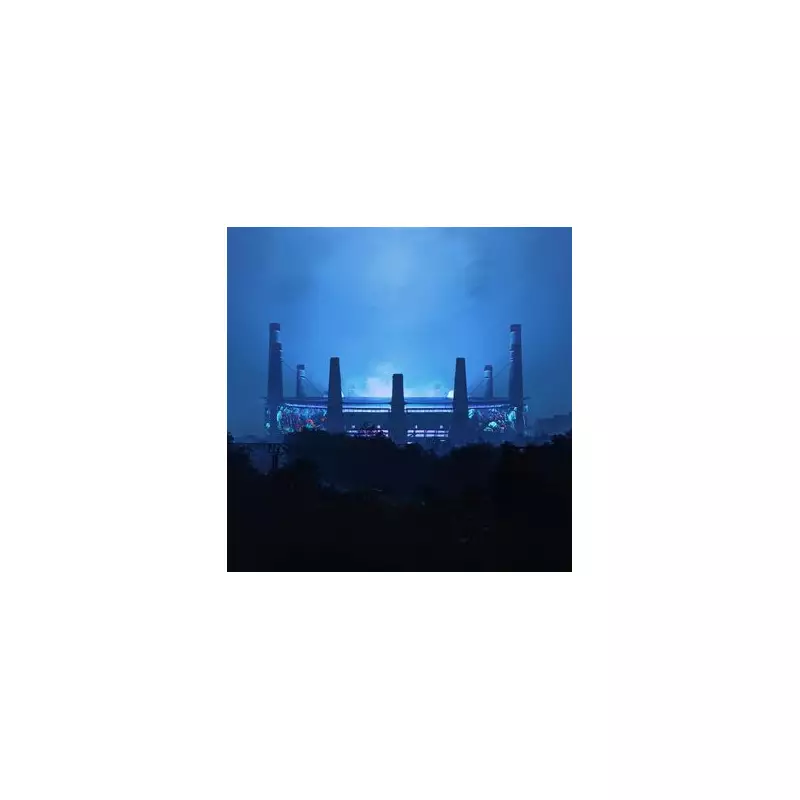
Birmingham City's proposed new home, The Powerhouse, continues to capture imaginations across the Second City and beyond since its dramatic unveiling earlier this month. The revolutionary 62,000-seater stadium design forms the centrepiece of the ambitious Birmingham Sports Quarter development.
The Vision Behind The Powerhouse
London-based Heatherwick Studio, in collaboration with American architects MANICA and Birmingham native Steven Knight, has created a stadium design that immediately became iconic. The ambitious opening target of 2030 has been set by owners Knighthead, ensuring Blues could begin the 2030/31 season in their spectacular new home.
Eliot Postma, lead architect at Heatherwick Studio, recently appeared on the Keep Right On Podcast to explain the thinking behind a design that has generated worldwide attention. "We're about 250 different designers, problem solvers," Postma explained about the studio behind projects ranging from London's red buses to the 2012 Olympic Cauldron.
"We haven't yet had the chance to design a stadium," Postma revealed. "We couldn't be more excited to have the chance to do something that is essentially all about bringing people together in the real world to have incredible experiences with one another."
The Story Behind Those Iconic Chimneys
The stadium's most striking feature - its twelve chimneys, including two standing at 120 metres tall - emerged from both practical and historical considerations. The design process took approximately three months during the competition phase, though Postma emphasises the design "is by no means finished" with "a lot of evolution still to go through."
"It came about through two streams of work," Postma explained. Research into the Wheels site revealed its history as location for brickworks that supplied materials for Birmingham's canals and viaducts. Simultaneously, the architectural team needed vertical structures to support an ambitious operable roof.
"These two things came together where we were thinking about this material story about the site, which had this historic silhouette of these peaks of the chimneys," said Postma. The design team then looked to Victorian architect John Chamberlain, who used brick towers for natural ventilation in schools, inspiring the chimneys' multifunctional role.
Sustainability and Fan Experience Innovations
Despite historical associations with pollution, the chimneys will play a crucial role in the stadium's environmental strategy. The "stack effect" will naturally ventilate the stadium, potentially eliminating the need for energy-intensive fan systems.
The innovative concertina-style roof enables almost the entire surface area to be covered with solar panels - approximately 10,000 in total. "That is going to power one hundred events a year just from the energy taken off the roof," revealed Postma.
The stadium's material story will incorporate reclaimed bricks from across the Midlands, with potential for incorporating fan bricks from St Andrew's to continue supporter legacy within the new chimneys.
Beyond matchdays, the chimneys will host public experiences including a potential immersive lift journey. "The lift is big enough that there could be a small hospitality offer, like a little bar up there," described Postma. "You could go up there and have a drink at sunset with amazing views back to the city."
Ambitious Timeline and Construction Approach
While Knighthead maintains the ambitious 2030 opening target, Postma acknowledges the complexity of such projects. "You could imagine it's easily a two year, two and a half year build," he stated, though emphasising the club's desire for speed.
The design incorporates prefabrication principles to accelerate construction. "The whole design of the structure inside has been thought of in that way," Postma explained. "What are the fewest number of parts that you can make the whole stadium out of to be able to deliver on that vision of getting this ready as early as possible?"
The stadium's flexibility extends to a retractable pitch system similar to Tottenham's stadium, enabling quick transitions between football matches and concerts or NFL games. The pitch would split into five sections and slide beneath the east stand for protection during other events.
As Birmingham City supporters eagerly await their new home, The Powerhouse represents not just a stadium but a statement of intent for both club and city, blending industrial heritage with cutting-edge sustainable design.