
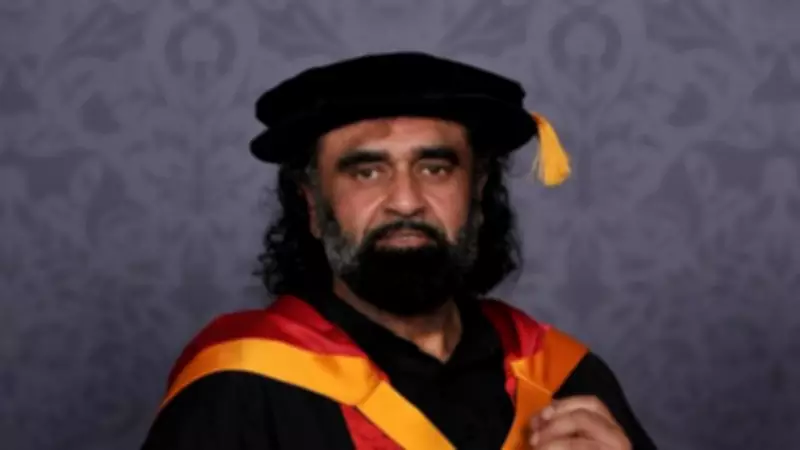
The University of Wolverhampton has bestowed an Honorary Fellowship upon Ranjit Singh, the esteemed head coach of Wolverhampton Wrestling Club and CEO of Projects, in a ceremony celebrating his profound contributions to sport, community service, and social transformation. Born and raised in Wolverhampton, Ranjit has dedicated decades to empowering individuals through wrestling and humanitarian efforts, making a lasting mark on the city and beyond.
A Legacy of Sporting Excellence and Inclusion
Under Ranjit's visionary leadership, Wolverhampton Wrestling Club has evolved into a nationally recognised centre of excellence, renowned for producing national champions and fostering talent across all backgrounds. His coaching prowess is evident in the development of Commonwealth Games medallists and former Olympians, showcasing his ability to nurture elite athletes while promoting inclusivity.
Notably, Ranjit has been instrumental in breaking down gender barriers within the sport, actively supporting female athletes and creating pathways for their success. This commitment to diversity has helped the club become a beacon of opportunity for people of all ages and socio-economic circumstances, reinforcing the role of sport as a tool for social cohesion.
Community Leadership During Crisis
Ranjit's impact extends far beyond the wrestling mat, particularly during the COVID-19 pandemic. In a remarkable display of community spirit, he transformed the wrestling club into a vital foodbank and support hub, providing daily meals and essential supplies to hundreds of vulnerable residents. His efforts did not stop there; he spearheaded a volunteer initiative that produced and distributed 10,000 pieces of personal protective equipment (PPE) to care homes, West Midlands Police, and frontline workers across the UK.
In recognition of this selfless work, Wolverhampton Wrestling Club received the prestigious King's Award for Voluntary Service in 2022. Ranjit himself was honoured with a place in the national FA Lionhearts Squad for his pandemic contributions and ranked second nationally for his efforts, highlighting the widespread appreciation for his humanitarian leadership.
Putting Wolverhampton on the Global Stage
Ranjit's influence has also elevated Wolverhampton's profile in international sports. In 2025, he successfully brought the Kabaddi World Cup to the city, a historic event as it marked the first time the tournament was hosted outside Asia. The competition featured seven women and four men selected to compete, all of whom were home-grown athletes from the club's development pathways, underscoring Ranjit's dedication to nurturing local talent.
This achievement has strengthened Wolverhampton's reputation as an international centre for the sport, attracting attention and investment to the region. It serves as a testament to Ranjit's ability to blend sporting ambition with community development, creating opportunities that resonate on a global scale.
Ongoing Advocacy for Social Change
Beyond these accomplishments, Ranjit continues to champion initiatives that address pressing social issues. He is a vocal advocate for mental health support, youth crime prevention, and educational outreach, with a particular focus on autism awareness and inclusion for neurodiverse individuals and those with complex social needs. His holistic approach ensures that his work benefits the entire community, fostering a more equitable and supportive environment.
Upon receiving the Honorary Fellowship, Ranjit Singh expressed his gratitude, stating he was deeply honoured by the award. He thanked the University of Wolverhampton for recognising his service to diverse communities, emphasising his commitment to continuing this vital work. For those interested in sport and coaching courses, the University of Wolverhampton's School of Health and Wellbeing offers further information and opportunities.