EasyJet Issues £560 Million Warning Amid Middle East Conflict Impact
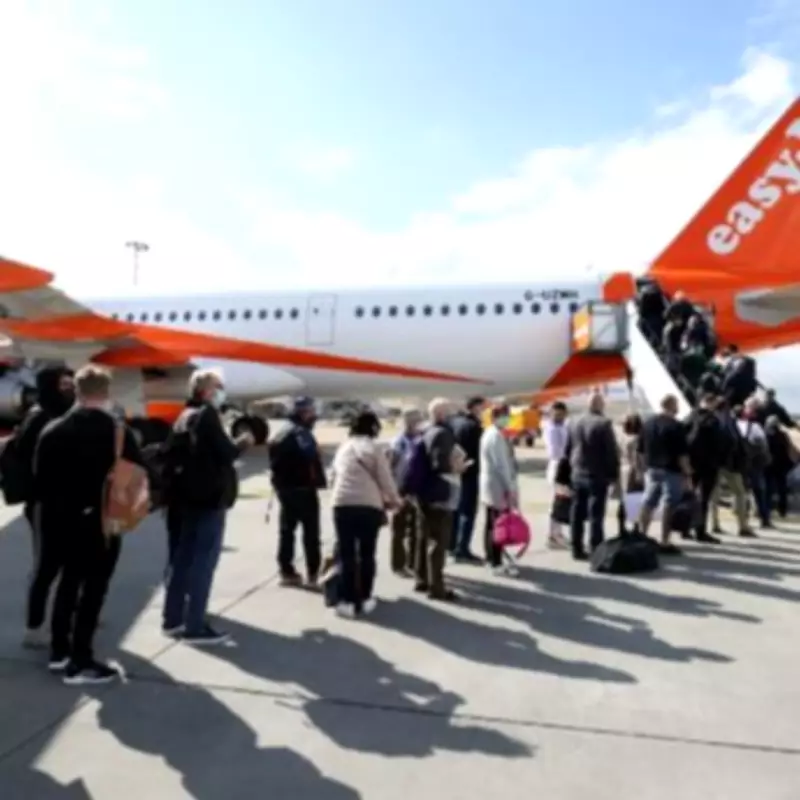
EasyJet, a major airline operating from Birmingham Airport (BHX), has issued a stark warning as its financial performance deteriorates due to the ongoing conflict in the Middle East. The airline anticipates reporting a pre-tax loss ranging from £540 million to £560 million for the six months ending in March, a significant increase from the £394 million loss recorded in the first half of the 2024-25 financial year.
Passenger Behavior Shifts Amid Economic Uncertainty
According to EasyJet, passengers are increasingly delaying their flight bookings, a trend attributed to broader economic uncertainty. Kenton Jarvis, the chief executive, noted a "general shortening of the booking window," with travelers waiting until closer to their departure dates to make reservations. This hesitation is compounded by the competitive landscape, where EasyJet rivals carriers like Jet2, TUI, Wizz Air, British Airways, and Ryanair.
Fuel Price Surge Adds to Financial Strain
The conflict in the Middle East has exacerbated fuel costs, with EasyJet highlighting that each $100 (approximately £74) movement in the spot price of jet fuel per metric tonne adds £40 million to its expenses for unhedged supply. In March alone, the airline paid an extra £25 million for fuel, equating to £560 per minute. Currently, fuel prices are about $800 higher than before the conflict began, directly impacting the airline's bottom line.
Operational Outlook and Summer Demand
Despite these challenges, EasyJet reported a "continued positive demand" and its busiest Easter holiday period ever. Jarvis expressed confidence in the operational ramp-up for the peak summer season, stating, "We have visibility to the middle of May and we have no concerns." He also observed a recovery in bookings for destinations like Egypt, Turkey, and Cyprus after an initial drop, with a slight shift in preference from the eastern Mediterranean to the western Mediterranean regions.
Industry-Wide Implications and Future Risks
The situation has broader implications for the aviation sector. A Ryanair spokesperson commented to The Independent, indicating that while no near-term fuel shortages are expected, the scenario remains fluid. They warned that if the closure of the Hormuz Straits persists into May or June, fuel supplies at some European airports could be at risk. As April progresses, UK passengers, including those from Birmingham, are looking ahead to the summer months with hopes for sun-kissed getaways, albeit amid heightened uncertainty and potential disruptions.