EasyJet Issues Critical Update on Flight Operations and Pricing
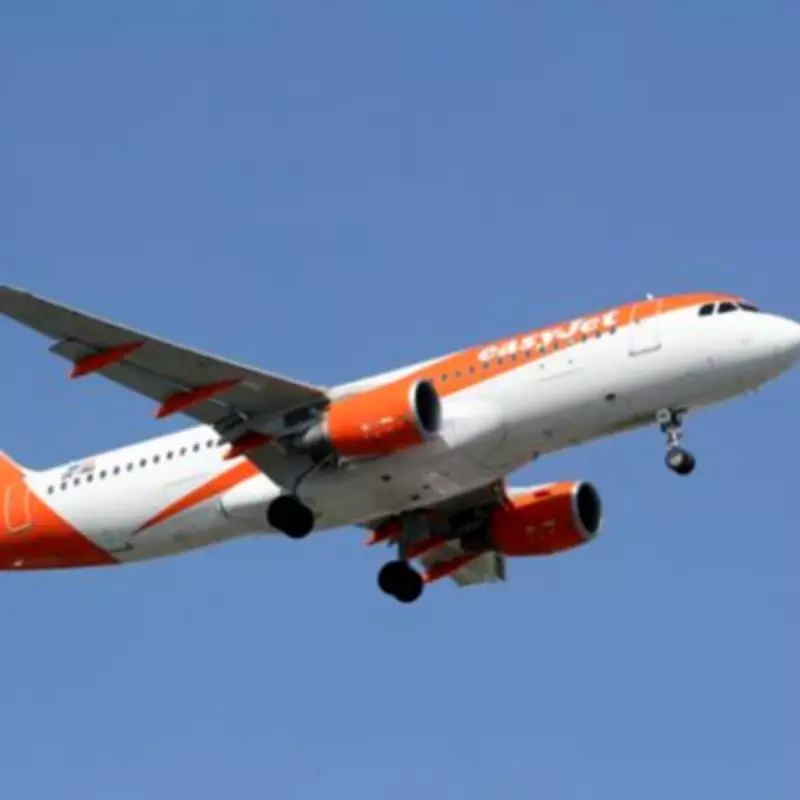
The chief executive of budget airline EasyJet has delivered a significant update regarding potential flight cancellations and rising air fares for passengers, directly linked to the escalating costs of jet fuel. This development comes as the ongoing conflict in the Middle East continues to disrupt global oil markets, creating substantial financial pressures for the travel industry.
Financial Impact and Market Uncertainty
The persistent conflict in Iran has already cost EasyJet approximately £25 million in increased jet fuel expenses during the previous month alone, as oil prices have spiraled upward. The airline has explicitly stated that the war has introduced "near-term uncertainty around fuel costs and customer demand," with bookings for the upcoming summer months showing a decline of two percentage points compared to the same period last year.
EasyJet anticipates reporting a headline loss ranging between £540 million and £560 million for the six-month period ending in March. CEO Kenton Jarvis recently advised holidaymakers to secure their flight bookings "as early as possible," cautioning that ticket prices could experience significant jumps if fuel costs remain at their current elevated levels.
Competitive Pricing and Supply Chain Concerns
When questioned about the direct impact on air fares, Mr. Jarvis emphasized that "pricing remains competitive" at present. However, he noted that demand for flights through the end of September will heavily depend on the late summer market dynamics and the evolving situation in the Middle East over the coming weeks.
Addressing concerns about potential flight cancellations due to jet fuel shortages, Mr. Jarvis reassured customers that all airports served by EasyJet are currently "operating as normal." He explained that the industry typically maintains only three to four weeks of visibility regarding jet fuel supplies, a standard practice that has remained unchanged since before the current crisis. The airline has confirmed visibility through mid-May and expressed no immediate concerns about supply disruptions.
Fuel Hedging and Cost Management Strategies
EasyJet has implemented advanced fuel hedging strategies to mitigate some of the financial volatility. The airline has secured 84% of its fuel requirements for the first half of 2026, 62% for the second half, and 43% for the first half of 2027, at average costs of $715, $688, and $671 per metric ton respectively. Despite these measures, Mr. Jarvis acknowledged that airlines operate on "thin" margins of just £6 to £7 per seat, making it challenging to offset increased costs through operational efficiencies alone.
Jet fuel represents approximately one-third of total airline operating costs, placing significant pressure on carriers across the industry. Several major airlines, including Air France-KLM and SAS, have already announced plans to increase ticket prices, while Finnair has warned about potential jet fuel supply shortages due to the closure of the Strait of Hormuz.
Shifting Travel Patterns and Future Outlook
The conflict has already begun reshaping holiday booking patterns, with EasyJet reporting increased demand for destinations further from the conflict zone. Travelers are showing growing preference for western Mediterranean locations like Spain, the Canary Islands, Portugal, Malta, and Greece, while interest in eastern Mediterranean destinations, Turkey, Cyprus, and Middle Eastern locations has softened considerably.
While EasyJet confirmed last month that no capacity changes have been implemented yet, the airline acknowledged the possibility of reducing flight frequency on routes currently served by multiple daily flights. The situation remains "very unpredictable," making it difficult to assess how the ongoing conflict might affect long-term travel demand.
Industry Analysis and Financial Resilience
Dan Coatsworth, head of markets at AJ Bell, provided analysis suggesting that while the Middle East conflict is undoubtedly putting pressure on EasyJet, the airline appears to be "in good financial shape to withstand another period of disruption." He emphasized that the ultimate outcome depends heavily on how the crisis evolves, noting that a swift resolution could alleviate cost pressures and stimulate booking activity, while a prolonged crisis could lead to diminished demand and potential cancellations if fuel supplies become constrained or rationed globally.
For now, EasyJet continues to manage fuel price volatility through standard business practices, though passengers should remain aware of potential fare adjustments as the situation develops.