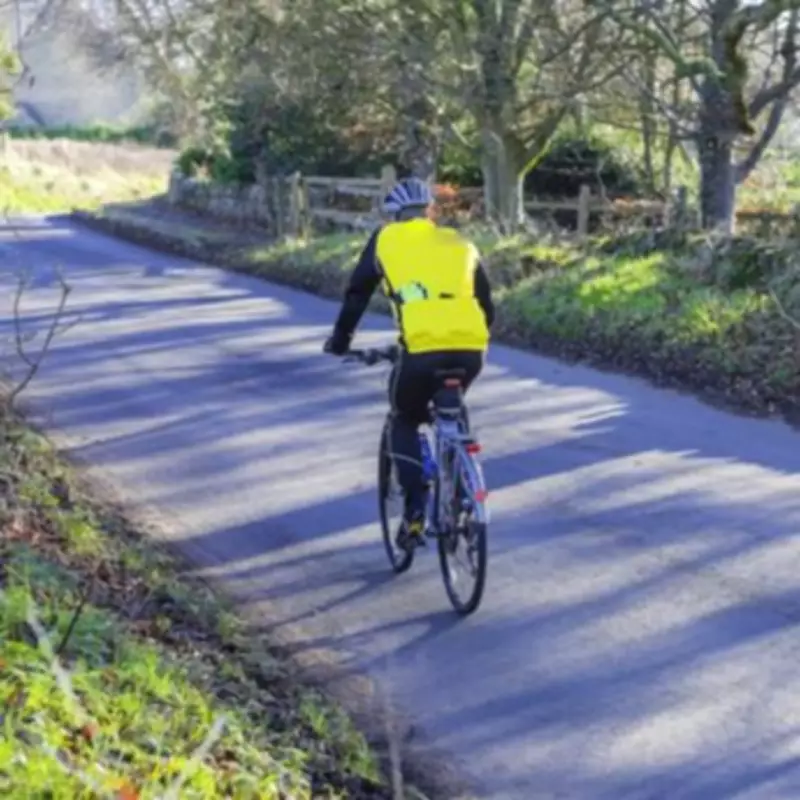
Drivers are being pushed off roads under a new 'quiet lanes' plan in England that promotes cycling and walking. Quiet lanes are designated roads where motor traffic is restricted to make it safer for people to walk, wheel, cycle, and horse ride. By removing through traffic, these lanes can reduce vehicle numbers and speeds, lower the risk and severity of collisions, and make minor roads feel calmer and safer. Access is maintained for residents, farmers, businesses, and emergency services.
Oxfordshire Leads the Way
Several quiet lanes already exist in Oxfordshire, and the new approach enhances existing Department for Transport policy, going beyond traditional signage-based lanes to achieve the safest outcomes. New lanes will only be introduced where there is strong local support and a suitable alternative route for motor traffic.
Council Support
Councillor Rebekah Fletcher, Cabinet Member for Transport Management, said: “Quiet lanes are about making sure local roads work for the communities that live there, not as cut-throughs for traffic they were never designed to carry. This new approach will help us to prioritise walking, wheeling, cycling, and horse riding, and give us a clear and consistent way to provide quiet lanes where there is strong local support. We will use evidence to make sure schemes are safe, effective, and sensitive to their surroundings. By piloting schemes first, we can get them right before any permanent decisions are made.”
Impact on Drivers
Overall journey times for drivers are usually only slightly affected because suitable alternative routes must be available. The council will now work with parish and town councils and local councillors to identify and pilot new sites. Each scheme will be subject to statutory consultation, allowing measures to be tested in practice, evidence collected, and designs refined before any permanent decisions are made.