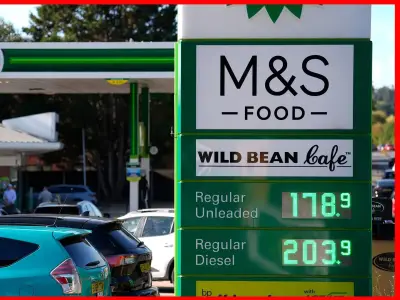
A stark new report has warned that diesel pumps could begin disappearing from UK petrol stations in as little as four years, accelerating the shift towards electric vehicles.
The Timeline for Diesel's Decline
According to analysis by the EV think tank New AutoMotive, some filling stations in London may stop selling diesel entirely by 2030. The report further predicts that a significant number of the UK's 8,400 forecourts could scrap the fuel completely by 2035.
Ben Nelmes, chief executive of New AutoMotive, explained one of the key economic pressures driving this change. He stated that diesel fuel degrades if it sits in storage tanks without selling quickly. "As diesel availability tightens," Nelmes said, "many motorists will conclude the smartest option is to avoid the headache and go electric."
Industry and Political Reaction
The report suggests that petrol stations will be forced to prioritise space for EV chargers over maintaining ageing diesel infrastructure. However, a spokesperson for the Labour Party government contested the immediacy of the forecast, stating there was no evidence forecourts would stop stocking diesel from 2030.
The spokesperson highlighted government support for the transition, saying: "We're backing industry with £7.5bn, boosting British manufacturing and supporting the jobs of the future. We're also increasing sales by cutting upfront costs for drivers with our Electric Car Grant."
Concerns for Diesel-Dependent Drivers
The potential rapid decline of diesel availability has raised concerns for certain sectors. Steve Gooding, director of the RAC Foundation, warned that diesel drivers could soon be "anxiously seeking service stations where they can still fill up."
He questioned the timing, noting: "It feels like a brave move to call the death of diesel today when the vast majority of the vans and trucks that power our economy are still diesel-fuelled." Mr Gooding added that the move could prove particularly problematic for tradespeople often referred to as 'White Van Men'.
In contrast, Delvin Lane, boss of charging company InstaVolt, framed the shift as a positive, rational choice for consumers. "For drivers, this is not about being pushed into electric," he said. "It's a rational choice, driven by better technology."