The rapid expansion of the UK's electric vehicle charging network has hit the brakes, with new data revealing the slowest growth rate seen in a decade.
A Sharp Decline in Charger Rollout
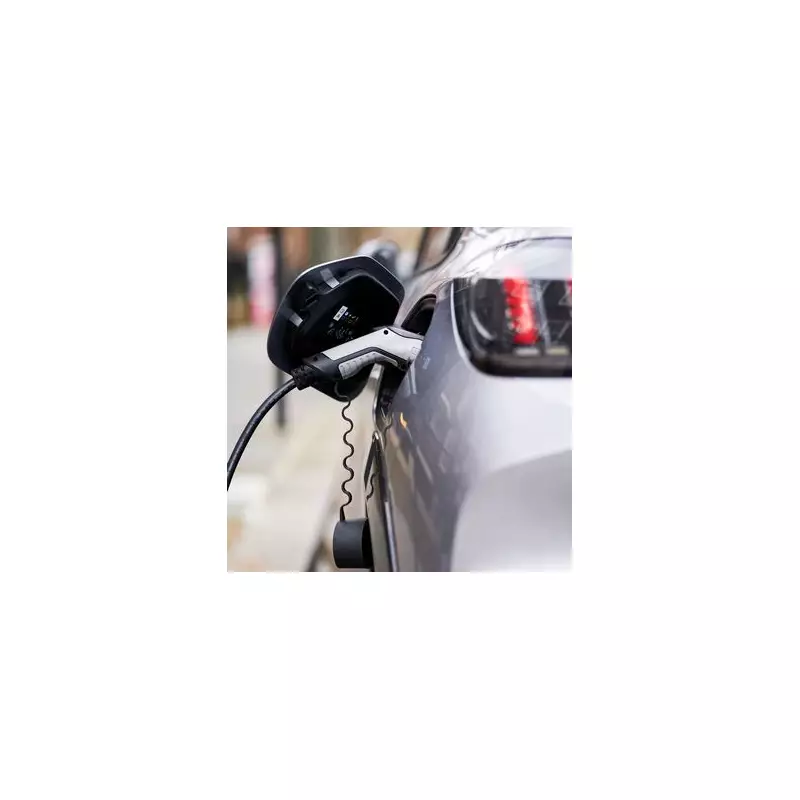
Figures from the mapping service Zapmap show that by the end of November 2025, there were approximately 87,200 public EV chargers operational across the country. This represents a net increase of just 13,500 units over the past year.
This marks a dramatic slowdown from the 37 per cent growth recorded in 2024. Based on the current trajectory, the industry is now on course to grow by less than 20 per cent throughout the whole of 2025. This is the most sluggish pace of expansion the sector has witnessed since 2022.
Tax Changes and Rising Costs Curb Confidence
Industry analysts point to a combination of factors behind the stall. A significant blow to consumer confidence came with Chancellor Rachel Reeves's Autumn Budget announcement of a new pay-per-mile levy.
The new tax, set to be introduced, will charge EV drivers 3p for every mile driven, while plug-in hybrid owners will pay 1.5p per mile.
Colin Walker, Head of Transport at the Energy and Climate Intelligence Unit, warned in an interview with the Guardian: "The 3p per mile tax on EVs risks undermining consumer confidence." He also suggested that a weakening of the zero-emission vehicle mandate could incentivise sales of plug-in hybrids over pure electric models.
From an infrastructure perspective, Vicky Read, Chief Executive of industry body ChargeUK, highlighted operational challenges. "Charge point operators have been facing rapidly rising costs," she said, noting this has impacted rollouts in less commercially viable locations. Persistent delays in securing grid connections continue to hold back new installations.
What This Means for the UK's EV Transition
The slowdown in infrastructure development coincides with a hesitancy among drivers to switch from traditional petrol and diesel cars. The dual pressure of new taxation and a perceived reduction in government support for pure electric vehicles is creating uncertainty.
While electric vehicles remain cheaper to run overall, the immediate impact of the announced tax and the visible deceleration in charger deployment risk creating a cycle of dampened demand and reduced investment in the essential public network needed to support a full transition.