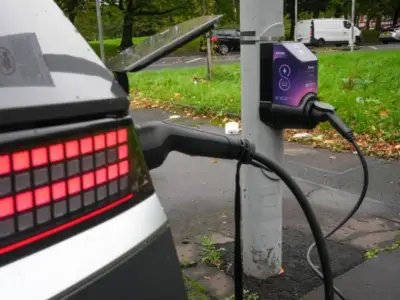
John Wilmot, founder and CEO of car lease comparison site LeaseLoco.com, has urged Chancellor Rachel Reeves to scrap a new £240 annual charge for electric vehicle (EV) drivers covering 8,000 miles. The proposed pay-per-mile system, set to begin in 2028, would see EV drivers pay 3p per mile, half the 6p per mile paid by petrol and diesel drivers through fuel duty.
Under the plan, an EV driver doing 8,000 miles annually would pay around £20 per month (£240 per year) in electric vehicle excise duty (eVED), compared to £40 per month (£480 per year) for petrol or diesel drivers covering the same distance. Wilmot warned that this could undermine one of the key benefits of switching to electric cars: lower running costs.
Mixed Messages on EV Adoption
“One of the massive benefits to driving an electric vehicle was that it was far cheaper to run than a petrol or diesel car, but a pay-per-mile tax risks eliminating that advantage, which could make drivers think twice about switching any time soon,” Wilmot said. He added that the government is sending mixed messages by encouraging EV adoption while dealing with limited charging infrastructure and rising costs.
Under current proposals, drivers would estimate their annual mileage when renewing Vehicle Excise Duty (VED). Annual MOT readings would verify mileage, with adjustments made through a balancing charge or credit. Vehicles under three years old, which do not yet require an MOT, would need a mileage check at an accredited provider, likely an MOT test centre.
Cost of Public Charging Review
Alongside the eVED scheme, the government announced a parallel Cost of Public Charging Review, aiming to address high energy costs driving up public chargepoint prices. The review will report in the autumn. Wilmot stressed that lower running costs were a major incentive for going electric, and removing that advantage could stall progress in building consumer confidence.