Drivers in Birmingham and the Black Country are more likely to get away with speeding than those in other parts of the Midlands, according to new data. Speeding enforcement has become a postcode lottery, with motorists facing an uneven playing field depending on where they live.
Figures show that recorded speeding offences in the West Midlands policing area are low when compared with the overall population. In fact, total speeding tickets were higher in neighbouring Warwickshire, despite its much smaller population. The difference is explained by certain police forces being more proactive in enforcement and dedicating more resources to catching speeders.
Of course, if motorists stick to the speed limit, they have nothing to worry about. However, gaps in enforcement mean some can break the rules without consequence. This likely means more speed cameras and regular police patrols in areas with higher ticket numbers.
A staggering 177,373 speeding offences were recorded in Warwickshire between 2024 and 2025, according to data obtained by road safety technology firm Ooono. This placed the county force third in the whole country, ahead of the much-larger West Midlands, which recorded 147,070 offences.
New Crackdown in Birmingham
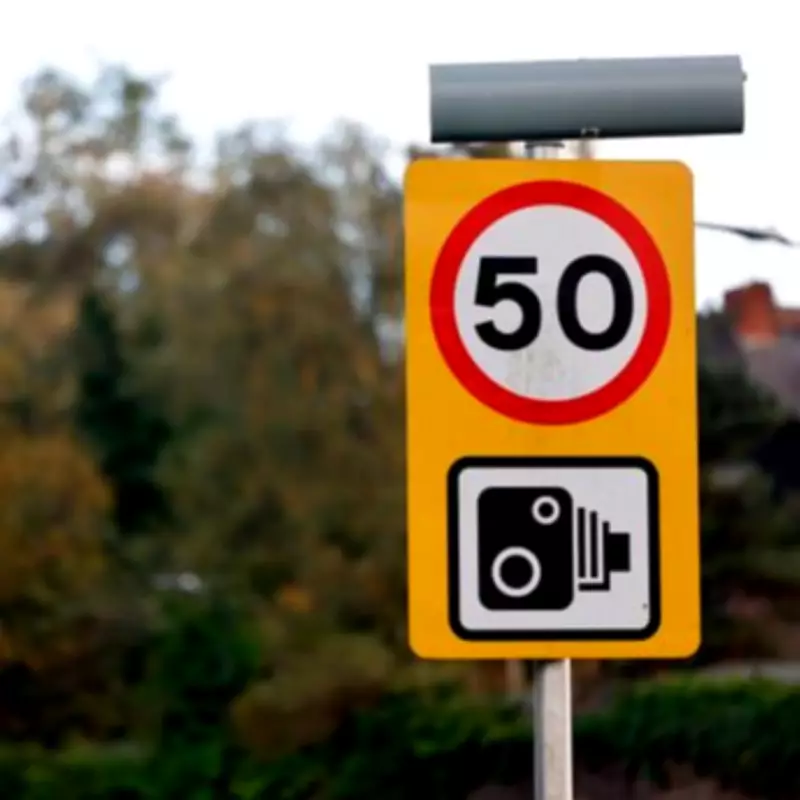
This indicates that speeding drivers are regularly getting away with going too fast in Birmingham and the Black Country. However, police and council chiefs have launched a new crackdown in Birmingham aimed at tackling the issue. Measures include installing new speed cameras and reducing speed limits to 30mph on most busy routes around the city.
Nationally, speeding tickets are on the rise, reaching a four-year high. Mike Skyte, spokesperson for Ooono, said: "Speeding enforcement is clearly on the rise, and many drivers may not realise just how costly certain roads have become. Our data shows that it’s not just motorways – everyday routes across towns and cities are becoming high-risk for fines. In London especially, the rapid expansion of 20mph zones is playing a major role in the increase. Many drivers simply haven’t adjusted yet."