Councils Empowered to Crack Down on Three Common Driving Violations
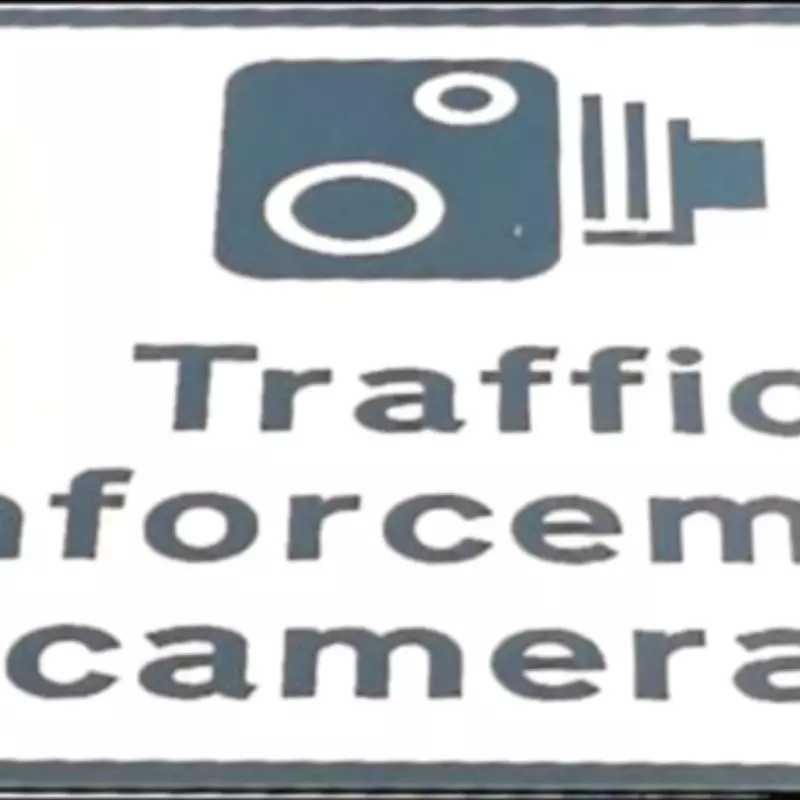
Local authorities across England have been granted enhanced powers to enforce moving traffic offences, with GEM Motoring Assist urging drivers to refresh their understanding of key road signs and markings. This comes as more councils deploy enforcement cameras in busy urban areas to manage traffic flow and improve safety.
Expanded Enforcement Authority for Councils
Since May 2022, councils outside London have been able to apply for powers to enforce specific moving traffic offences. These include violations related to yellow box junctions, one-way streets, and banned turns. Previously, such enforcement was primarily handled by police forces, but the shift allows local authorities to take a more active role in traffic management.
Data from the RAC reveals the scale of existing enforcement, with around one million bus-lane penalty charge notices issued annually in England's largest cities. These fines are estimated to be worth approximately £68 million, highlighting the financial impact of traffic violations on drivers.
GEM's Call for Driver Education
GEM Motoring Assist is encouraging all drivers to brush up on their knowledge of road regulations to avoid unnecessary penalties. James Luckhurst, head of road safety at GEM, emphasized the importance of understanding restricted lanes and junctions.
"Yellow box junctions are designed to keep busy crossroads clear," Luckhurst explained. "Drivers should only enter when their exit is fully open, even if the traffic lights are green. The sole exception is when turning right and waiting for a safe gap in oncoming traffic."
He also noted that bus lanes and less familiar "bus gates" frequently catch drivers unaware, particularly where restrictions apply only during certain times of day. "Camera enforcement is becoming increasingly common, but no driver should be caught out if they take a moment to understand what the signs and markings mean," Luckhurst added.
Practical Advice for Drivers
GEM recommends a quick refresher on the Highway Code, focusing on areas like bus gates, box junctions, zigzag lines, and speed limits. This can help make journeys smoother, safer, and free from unwanted penalties.
Luckhurst further advised: "Driving with care, courtesy, and concentration remains our priority. However, if a split-second mistake occurs, safer vehicles and properly understood safety technology can make the difference between a scary moment and a serious incident."
For those supporting learner drivers, GEM's message is clear: aim to help learners become life-ready, not just test-ready. This involves extending the learning period, prioritizing safety when choosing a car, planning structured post-test experience, setting clear guidelines on phone use and peer pressure, and instilling the non-negotiable rule that alcohol and substances must never mix with driving.
Additionally, GEM highlighted the importance of respecting zigzag lines at crossings and school entrances, and recognizing when lower or national speed limits apply if repeaters are missing. By staying informed and vigilant, drivers can navigate roads more safely and avoid costly fines.