DVLA Authority to Cancel Driving Licences Over Medical Conditions
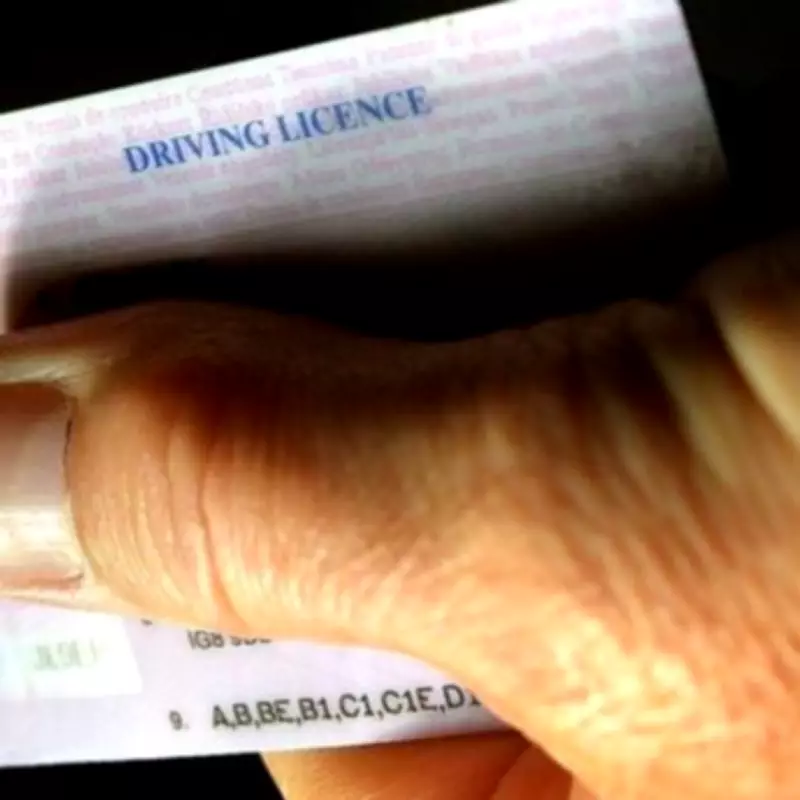
The Driver and Vehicle Licensing Agency maintains strict regulations regarding medical conditions that can affect driving safety. Motorists who develop certain health issues are legally required to inform the agency, with failure to do so potentially resulting in licence cancellation.
Six Medical Conditions Requiring Mandatory Disclosure
According to official guidelines, drivers must notify the DVLA if they develop any of the following six conditions:
- Blepharospasm
- Diabetic retinopathy (when treated with laser therapy)
- Diplopia (commonly known as double vision)
- Glaucoma
- Nyctalopia (night blindness)
- Retinitis pigmentosa
Serious Consequences for Non-Disclosure
Drivers who fail to report these conditions face significant penalties. The DVLA can impose fines of up to £1,000 for non-disclosure. In more serious cases, particularly if an accident occurs as a result of an undeclared condition, individuals may face prosecution.
Double Vision Presents Particular Driving Hazards
Dr Nadeem Ali, a consultant surgeon specialising in squints and double vision, emphasised the specific dangers of diplopia for drivers. "Many people assume that if they can manage their symptoms, they can continue driving," he explained. "But from a regulatory perspective, double vision raises an immediate red flag."
Dr Ali further detailed the practical implications: "If you are seeing two images, your depth perception and spatial awareness are compromised, and that has obvious implications at any speed."
Legal and Financial Ramifications
The consequences extend beyond regulatory penalties. Dr Ali warned: "If someone has an accident and it later emerges that they had a double vision that wasn't declared, the financial consequences can be devastating. It could be treated as driving without valid insurance, which exposes the individual to personal liability for damages."
Understanding Double Vision Symptoms
Double vision occurs when a person looks at one object but perceives two images. This condition may affect either one eye or both eyes. The NHS describes it as a potentially serious symptom that requires medical attention, even when symptoms come and go intermittently.
Dr Ali explained the sudden nature of the condition: "In adults, even a small change in eye muscle balance can tip someone into diplopia. Patients often describe it as sudden and disorientating, you cannot accurately judge distance, and road markings or oncoming vehicles may appear duplicated or blurred."
Treatment Options and Driving Eligibility
For those affected by double vision, treatment options exist that may restore driving eligibility. Dr Ali noted: "Restoring single vision through surgery is not just about comfort. For many patients, it means regaining their independence and, subject to DVLA approval, their ability to drive legally again."
The DVLA's medical reporting requirements serve as crucial safety measures to protect all road users. Motorists experiencing any of the listed conditions should consult medical professionals and follow proper reporting procedures to maintain legal driving status and ensure public safety.