London Trials New Stealth Speed Cameras That Could Go National
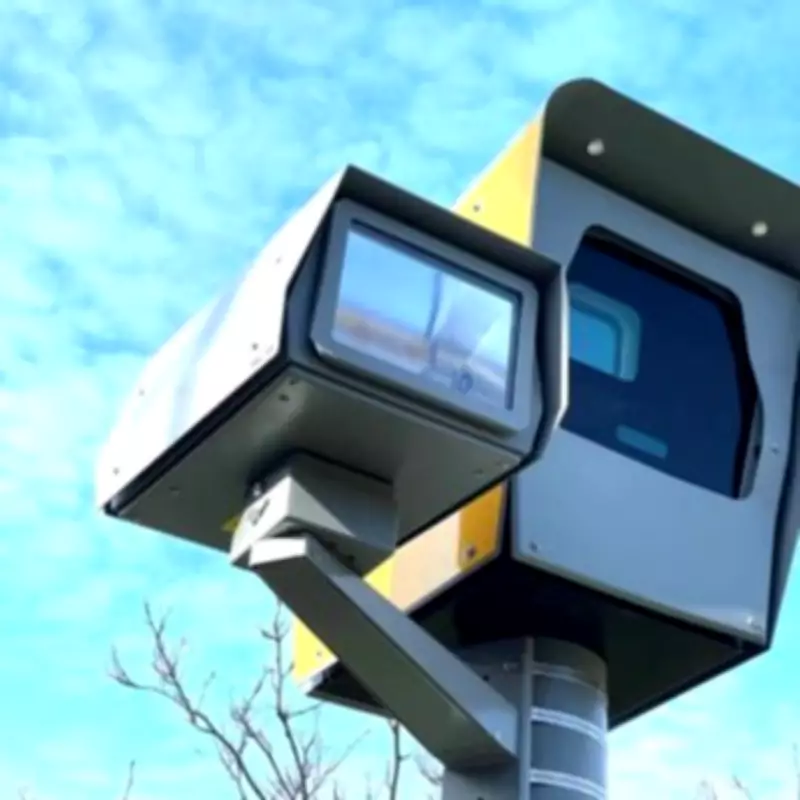
High-tech speed cameras that operate without flashing lights and do not require road markings are being trialled across multiple locations in London, with potential for nationwide rollout if the technology proves effective. The controversial new cameras use advanced 4D imaging radar capable of monitoring speeding vehicles across five lanes of bi-directional traffic.
Advanced Technology for Enhanced Enforcement
The new camera system combines high-resolution imaging with sophisticated sensor technology that Transport for London (TfL) claims makes them more reliable and effective than standard speed cameras. Unlike most current speed cameras that can only detect speeding across three lanes of traffic travelling in one direction, these new devices can monitor multiple lanes simultaneously.
Siwan Hayward, TfL's director of security, policing and enforcement, emphasized the importance of the upgrade: "Upgrading our camera network is vital to maintaining strong, consistent enforcement, and together with the Met we are using every tool available to deter speeding, reduce road danger and save lives."
London Trial Locations and Speed Limits
The cameras are currently being tested at nine locations across London boroughs including Haringey, Tower Hamlets, Havering, Croydon, Hammersmith and Fulham, Brent, Hackney, Ealing and Sutton. All trial sites feature either 20mph or 30mph speed limits, areas where authorities have noted poor compliance with reduced speed restrictions.
Detective Chief Superintendent Donna Smith of the Metropolitan Police's Roads and Transport Policing Command stated: "It is tragic whenever anyone is killed or seriously injured on our roads, and speeding remains a major factor, which is why our officers are totally committed to reducing that risk."
Road Safety Strategy and Future Expansion
The trial represents part of London's Vision Zero initiative, which aims to eliminate all deaths and serious injuries on the city's roads. The Metropolitan Police will work alongside TfL to utilize the new radar-based camera technology as part of comprehensive efforts to deter dangerous driving behaviors.
Smith added: "This trial will improve reliability and deliver better quality images, helping our officers hold offenders to account and ensuring we have a modern and effective enforcement system that saves lives."
Industry Response and Additional Concerns
The Institute of Advanced Motorists (IAM) has described the new technology as an "opportunity to change behavior" given the documented poor compliance with 20mph speed limits across London. However, the organization also expressed concerns about enforcement priorities.
An IAM spokesperson noted: "It is, however, worth noting that average speeds in London are below 20 mph, so we would also like to see enforcement focus on things like drivers illegally using mobile phones at the wheel alongside these new trials."
The stealth cameras' ability to operate without visible flashing lights represents a significant departure from traditional speed enforcement methods. If the London trials demonstrate improved effectiveness in detecting speeding violations and producing higher quality evidence, authorities anticipate expanding the technology to other regions across the United Kingdom.