Chancellor Rachel Reeves Unveils New Road Tax System Targeting High-Mileage Drivers
Motorists across the United Kingdom face significant new financial burdens as Chancellor Rachel Reeves announces a comprehensive overhaul of the Vehicle Excise Duty system. The Labour Party's fiscal plans include introducing a new per-mile charging structure specifically designed to address the growing shift toward electric vehicles while maintaining road infrastructure funding.
Details of the New Vehicle Excise Duty Structure
The proposed system, scheduled for implementation in 2028, will establish distinct charging rates based on vehicle type and usage patterns. Under the new framework, fully electric vehicle drivers will be charged 3p for every mile traveled, while hybrid vehicle operators will face a reduced rate of 1.5p per mile. This represents a fundamental departure from traditional road tax collection methods.
For the average British driver covering approximately 10,000 miles annually, these new charges translate to an additional £300 in annual motoring costs. The Chancellor emphasized that this approach ensures all road users contribute fairly to maintaining the nation's transportation infrastructure regardless of their vehicle's power source.
Government Rationale and Industry Response
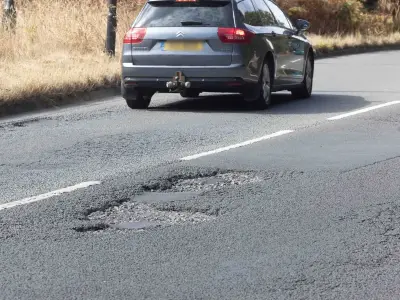
Chancellor Reeves explained the policy's underlying logic during the budget announcement, stating: "All cars contribute to wear and tear on our roads, so it is only right that our motoring taxes cover EVs via a modest per mile levy, with extra support to keep EV ownership attractive." This statement acknowledges the government's dual objectives of generating necessary revenue while maintaining incentives for environmentally friendly transportation choices.
The automotive industry has responded with measured concern. Edmund King, President of the Automobile Association, highlighted the delicate balance required in such policy implementation: "The Budget has put drivers at a fork in the road with the Chancellor announcing major tax proposals for EV owners." He further elaborated on the AA's perspective, noting that drivers understand the government's need to fund road investments while ensuring the transition to electric vehicles continues progressing toward environmental targets.
Implementation Challenges and Considerations
The proposed system raises several practical considerations that must be addressed before implementation:
- Timing Concerns: Industry experts warn that introducing per-mile charges too early could potentially slow the adoption of electric vehicles, undermining environmental goals.
- Equity Issues: Special considerations must be made for specific driver groups, including caregivers using vehicles for work purposes and rural residents with limited transportation alternatives.
- System Design: The AA advocates for a transparent, easily understandable framework administered by an independent body to determine appropriate rates and maintain public trust.
- Revenue Transition: The policy acknowledges declining fuel duty revenues as more drivers transition to electric vehicles, necessitating alternative funding mechanisms for road maintenance.
King emphasized the AA's commitment to representing motorist interests throughout this transition: "For more than 120 years, The AA has been the voice of the motorist and today's Budget signals a huge moment in the history of UK motoring. We will work with the government to ensure that whatever people drive, they will be treated fairly."
Broader Implications for UK Motoring
This policy announcement represents a watershed moment in British transportation taxation, fundamentally reshaping how road usage costs are calculated and collected. The shift from traditional vehicle excise duty to usage-based charging reflects both technological changes in the automotive industry and evolving environmental priorities.
As the government moves forward with detailed planning for the 2028 implementation, ongoing dialogue with stakeholders including the AA, environmental groups, and motorist organizations will be crucial to developing a system that balances fiscal requirements, environmental objectives, and fairness to all road users.