Drivers are being reminded of a lesser-known Highway Code rule that could result in fines depending on where they park at night. Experts warn that many motorists may not be aware of this regulation, which restricts parking positions after dark.
Highway Code Rules 248 to 252
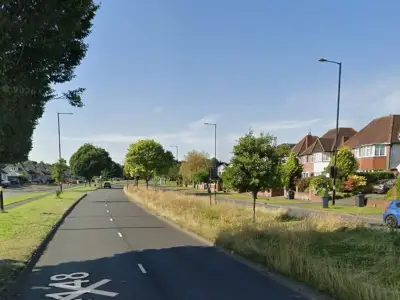
Rules 248 to 252 of the Highway Code cover night-time parking, with key points that every driver should know. Rule 248 states: "You MUST NOT park on a road at night facing against the direction of the traffic flow unless in a recognised parking space." Violating this rule could lead to a financial penalty.
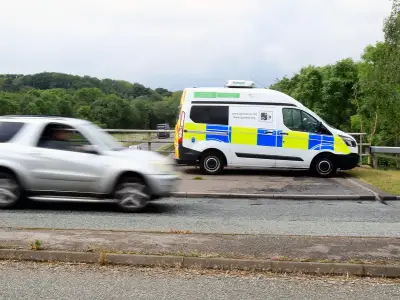
Paul Barker, editor at Auto Express, commented that many drivers are unaware of or have forgotten this rule. He said: "A lot of drivers are either not aware or have forgotten that you shouldn't park on the wrong side of the road at night, especially as it's a rule almost never enforced in the UK. It's a great example of a bit of Highway Code that's instantly forgotten as soon as you get a licence in your hand."
Reduced Visibility Issues
Mr Barker explained the reasoning behind the regulation: "With a car's reflectors only being on the back, it makes it harder to spot vehicles parked facing towards you. In the reduced visibility of night-time it could potentially be briefly disorientating for a driver to see the front of a car on the wrong side of the road."
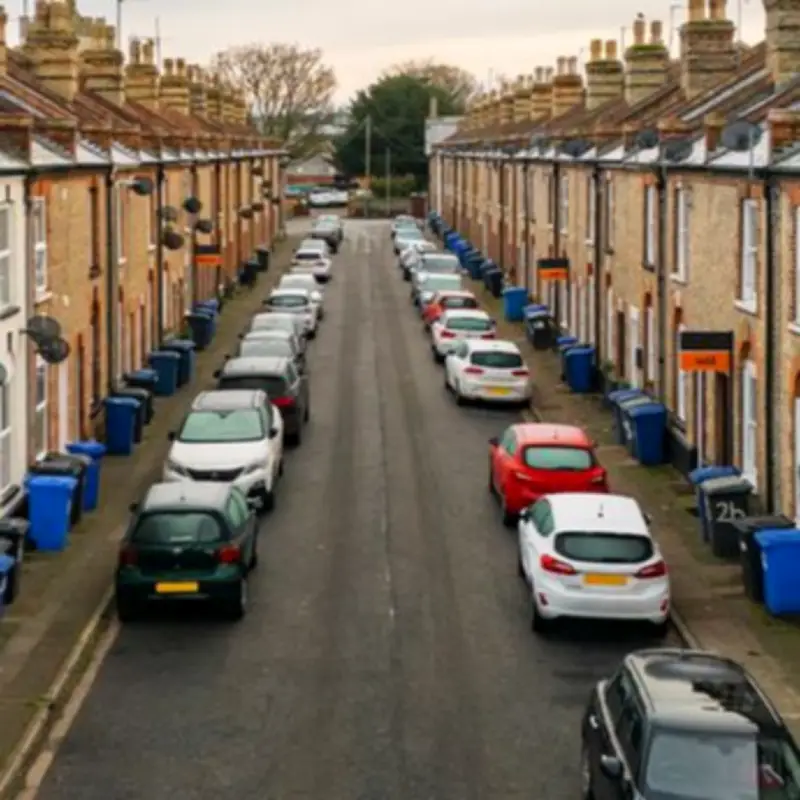
The expert also highlighted where drivers are most likely to break this rule: "Suburban areas are the most likely places drivers will be tempted to park facing the direction of traffic, given the rules don't apply to marked bays. It's only the quieter roads without designated spaces that could catch out those unaware of the rules, so residential streets are a prime candidate."
Another Rule: Parking Lights
Rule 249 of the Highway Code is another regulation that drivers might miss. It states: "All vehicles MUST display parking lights when parked on a road or a lay-by on a road with a speed limit greater than 30 mph (48 km/h)." Mr Barker cautioned that many drivers may find it difficult to follow this requirement. He said: "I'd expect a tiny number of drivers to know that parking lights should be switched on if you're parked on a road with a speed limit of over 30mph, even in a lay-by. In fact I'd be amazed if many people even know how to leave their car's parking lights on."
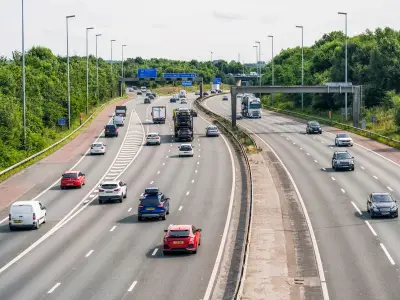
He explained the justification: "A disproportionate number of accidents happen at night, especially given traffic is lighter after dark, so the risks are plain to see. A combination of reduced visibility, fatigue (especially into the small hours) and lighter traffic combine, while there is an increased likelihood of drink or drug driving at night, as well as reckless driving when the roads are less congested."
Preparation Tips
Considering these regulations, drivers should prepare in advance if parking overnight in an unfamiliar location. Mr Barker advised: "If you'll be parking on-street then Google Street View will give you an idea of how the land lies. Make sure you've checked ahead for parking restrictions and timings, and search for off-street car parks in the area. If you're visiting friends or relatives, it should be easy to find out how the land lies."