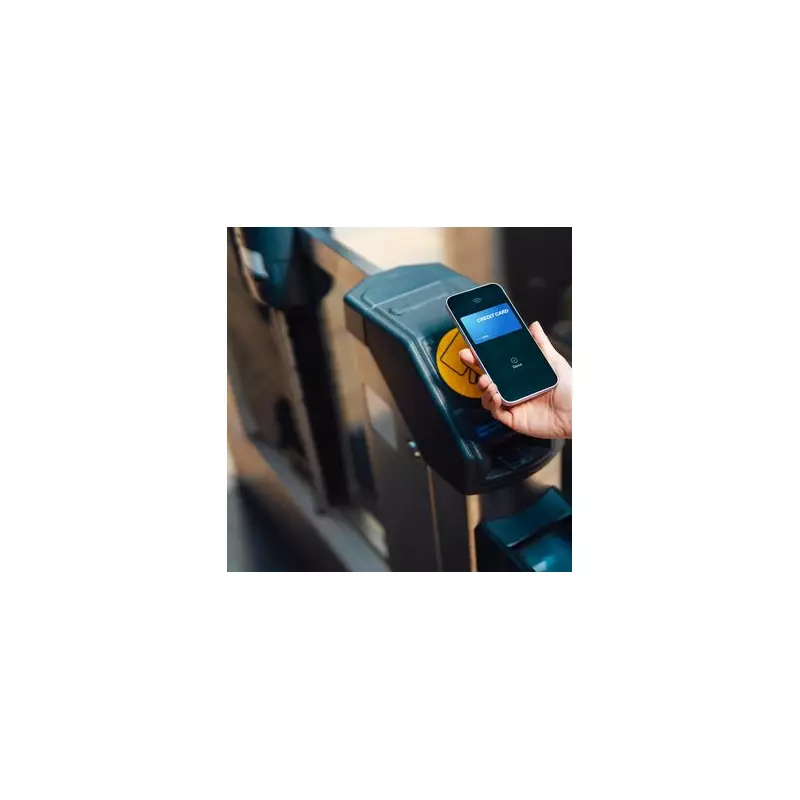
The introduction of contactless payment systems on certain rail networks has triggered concerns over increased ticket prices for some passengers. The change, designed to simplify travel, has seen fare structures adjusted in parts of southeast England.
Aligning with London's System
To facilitate the new pay-as-you-go contactless ticketing, train operator Govia Thameslink Railway (GTR) has aligned its peak and off-peak time restrictions with the system used by Transport for London (TfL). This harmonisation means services that previously qualified for cheaper off-peak tickets now fall under more expensive peak or 'anytime' fare brackets.
Rebecca Paul, the Conservative MP for Reigate, has voiced strong criticism of the move. She stated that while modern ticketing brings benefits, she "will not stand by while my constituents face higher fares and fewer affordable travel options."

"Many people rely on off-peak travel to keep costs down and quietly narrowing the definition of what counts as off-peak risks pricing passengers out of rail altogether," Paul warned.
Operator's Defence and Passenger Impact
A spokesperson for GTR defended the changes, explaining that alignment with TfL's contactless system was necessary. They acknowledged that fares would rise for some but stated that for many others, costs would actually fall.
"Overall, these changes are not designed to increase the amount of money generated from ticket sales," the spokesperson said. They emphasised that the majority of single tickets would be the same price or lower, and highlighted the benefit of London's 'best price promise' being extended to these routes.
The core issue remains the redefinition of peak travel times. Passengers who previously travelled in what was considered an off-peak window may now find their journey subject to a peak fare, significantly increasing their daily travel costs.
Broader Implications for Rail Travel
This shift highlights the ongoing tension between modernising the rail network's payment infrastructure and protecting affordable travel options. While contactless payments offer convenience and simplicity, the associated restructuring of fare rules has tangible financial consequences for a segment of commuters.
The spokesperson concluded that "contactless ticketing means passengers are benefiting from simpler, more flexible travel," suggesting the long-term gains outweigh the short-term disruption for some. However, for those hit by the immediate fare increases, the promise of future simplicity offers little consolation against rising living costs.